In a career that spans decades and includes acclaimed performances in films like Mulholland Drive and The Impossible, Naomi Watts has experienced both the highs and lows of Hollywood. But one project in particular stands out as a rare misstep in her otherwise distinguished filmography — the 2013 biographical drama Diana, in which she portrayed Diana, Princess of Wales. The movie, now widely remembered more for its critical and commercial failure than for its intentions, is a case study in how even the most talented actors can find themselves committed to a project that simply wasn’t destined to succeed.


Naomi Watts, an English‑born Australian actress known for her emotional depth and range, took on the role of Princess Diana with earnest enthusiasm. Diana, a figure beloved around the world, has long captured the public imagination, and Watts was drawn to the complexity of her life and legacy. In interviews, she explained that she was “seduced by the fantastic character,” recognizing both Diana’s strengths and vulnerabilities, and the multifaceted nature of her public and private persona. But even with this admiration, the finished film veered far from what its star hoped it would become.

Despite Watta’s commitment to the role — which included extensive preparation and a sincere effort to embody Diana’s spirit — the film Diana encountered almost universally negative reviews upon release. Critics lambasted it for its uneven tone, lack of narrative focus, and failure to meaningfully capture the nuance of Diana’s life. Box office returns were similarly disappointing, far below expectations for a film centered on such an iconic figure. The end result was not only widespread critical dismissal but also a nomination for Watts at the Golden Raspberry Awards, a ceremony that “honors” what are perceived as the worst in filmmaking.


Reflecting on the experience in later conversations, Watts did not shy away from acknowledging the film’s shortcomings. She candidly admitted that the project “ended up taking a direction that was not the one I was hoping for.” This frankness speaks to the unpredictable nature of collaborative art forms like movies, where even strong performances cannot always overcome broader problems with script, direction, or production.


Perhaps Watts’s most vivid comment about the experience came in her acknowledgment of the risks inherent in choosing any artistic endeavor. “With risk there is every chance it’s going to fail,” she said, “and if you have to go down with that sinking ship, so be it.” The metaphor, invoking commitment to a flawed project, reflects how even seasoned professionals can find themselves deeply invested in films that ultimately don’t work out.

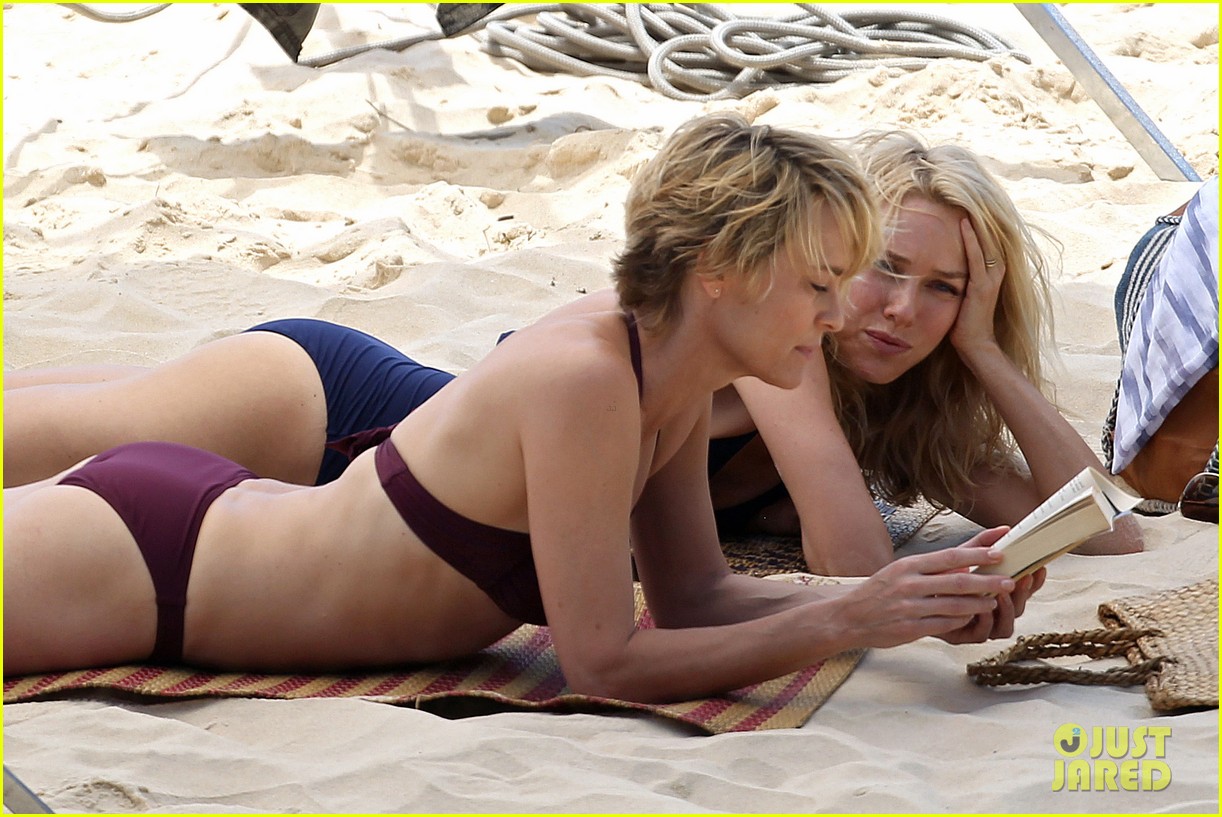
Diana attempted to depict the last two years of Princess Diana’s life, including her personal relationships and humanitarian work after her separation from Prince Charles. The film focused especially on Diana’s romance with heart surgeon Hasnat Khan — a storyline based on a real chapter of her life. And yet, even with such material, critics argued that the execution lacked dramatic cohesion and emotional resonance. Some reviews described the film as unfocused or superficial, unable to honor its subject’s complexity.


The disappointing performance of Diana stands in contrast to other films in Watts’s career where she received praise for her work. Earlier roles in David Lynch’s Mulholland Drive and the disaster drama The Impossible demonstrated her ability to deliver intense, heartfelt portrayals of complex women. And later projects, including critically successful films like Birdman (2014), helped reestablish her reputation after the setbacks of 2013.



Watts’s experience with Diana is a reminder that even acclaimed actors must navigate projects that don’t always align with their own artistic vision or the expectations of audiences. It also highlights the risk/reward balance that comes with playing real historical figures, especially those as iconic and scrutinized as Princess Diana. Even when an actor brings dedication and depth to a role, the final product depends on many collaborative elements — script, direction, editing, and more — that are often beyond any single performer’s control.



In the years since Diana’s release, Watts has spoken thoughtfully about the experience, framing it not as a personal failure but as a professional risk that didn’t pay off. Her willingness to discuss the misstep openly reflects a larger understanding of her career — one that includes both celebrated high points and less fortunate ventures. And while Diana remains a notable low point, it is also part of a broader career narrative that underscores Watts’s resilience and range as an actor.


Ultimately, the film Diana serves as an illustrative example of how Hollywood projects can defy expectations, not because of a lack of talent, but because of the complicated alchemy that goes into making movies. Naomi Watts’s journey through that production — and her acceptance of its flaws — stands as a testament to her professionalism and her understanding of the unpredictable nature of the film industry.