There was a moment in the early 2000s when Mischa Barton was everywhere—on television screens, magazine covers, red carpets, and in the cultural imagination of a generation. With her ethereal beauty, soft-spoken charm, and effortless fashion sense, she quickly became the face of a new kind of Hollywood stardom. But behind the fame was a story far more complex than the glossy images suggested—a journey shaped by early success, intense public scrutiny, personal struggles, and a steady, determined effort to reclaim her narrative.



Born on January 24, 1986, in London, Mischa Anne Barton grew up in a creative and culturally rich environment. Her father, a stockbroker of British descent, and her mother, an Irish photographer, provided a balanced upbringing that encouraged artistic exploration. When she was still young, her family relocated to New York City, a move that would ultimately set the stage for her future career in entertainment. It was in New York that Barton began to explore acting, first through theater and later through television and film.



Her early years in the industry were marked by impressive dedication and natural talent. Barton studied at the Professional Children’s School in Manhattan and performed in off-Broadway productions, earning praise for her maturity and emotional depth. She soon transitioned to film, appearing in projects like Notting Hill, where she shared the screen with Julia Roberts and Hugh Grant, and The Sixth Sense alongside Bruce Willis. Even in smaller roles, her presence stood out, hinting at the star she was about to become.



Everything changed in 2003 when Barton was cast as Marissa Cooper in the hit television series The O.C.. The show quickly became a cultural phenomenon, capturing the drama, glamour, and emotional turbulence of affluent teenage life in Southern California. As Marissa, Barton embodied vulnerability and elegance, becoming the emotional core of the series. Her performance resonated deeply with audiences, especially young viewers who saw in Marissa a reflection of both their dreams and their struggles.



During her time on The O.C., Barton’s popularity skyrocketed. She became a fashion icon almost overnight, with her bohemian style influencing trends worldwide. Designers clamored to dress her, photographers sought her for editorial shoots, and fans closely followed her every move. She wasn’t just an actress; she was a symbol of early-2000s pop culture, standing alongside other rising stars of the era.



Yet, with fame came pressure—intense, unrelenting, and often unforgiving. Barton found herself under constant media scrutiny, her personal life dissected by tabloids and paparazzi. The same attention that fueled her rise began to take a toll on her well-being. In 2006, her character was written off The O.C., marking a turning point in her career. While some saw it as a bold narrative decision, others viewed it as the end of an era.


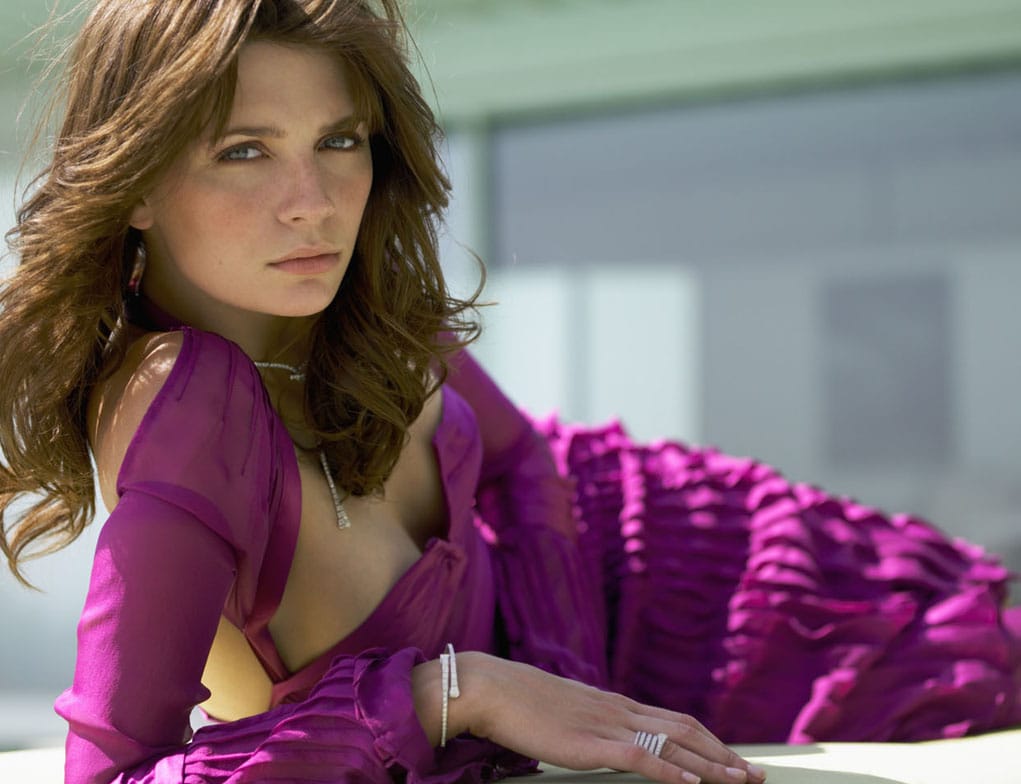
After leaving the show, Barton attempted to transition into film and other television projects, taking on roles that ranged from indie dramas to mainstream productions. She appeared in films like Closing the Ring and You and I, showcasing her willingness to explore diverse characters. However, none of these roles matched the cultural impact of Marissa Cooper, and her career trajectory began to shift.


At the same time, Barton faced personal challenges that became highly publicized. Legal issues, health struggles, and reports of emotional distress dominated headlines, often overshadowing her professional work. For many observers, she became a symbol of the darker side of early fame—a young actress navigating adulthood under the harsh spotlight of celebrity culture. The pressures she endured highlighted a broader conversation about how the entertainment industry treats young stars, especially women.



Despite these setbacks, Barton never fully stepped away from acting. Instead, she continued to work steadily, taking on projects in television, film, and even stage productions. Over time, she began to rebuild her life with a renewed focus on health, stability, and creative expression. Her appearances became more measured, her public statements more reflective, and her approach to fame more grounded.



In recent years, Barton has experienced a quiet but meaningful resurgence. She joined the cast of Neighbours, bringing her back into the spotlight and introducing her to a new generation of viewers. This role marked not just a professional comeback but also a personal milestone—evidence of her resilience and ability to adapt in an ever-changing industry.



What makes Mischa Barton’s story so compelling is not just her rise to fame but her ability to endure its challenges. In an era where celebrity narratives are often reduced to headlines, her journey offers a more nuanced perspective. She represents both the allure and the cost of early success, the fragility of public image, and the strength required to move forward after setbacks.



Beyond acting, Barton has also explored fashion and entrepreneurship, launching her own handbag line and collaborating on various creative projects. These ventures reflect her multifaceted personality and her desire to express herself beyond the confines of traditional acting roles. They also demonstrate her understanding of branding and reinvention—key elements in maintaining relevance in the modern entertainment landscape.
Today, Mischa Barton stands as a figure of resilience rather than just nostalgia. While many still associate her with the iconic image of Marissa Cooper, those who follow her journey more closely see a woman who has grown, evolved, and learned from her experiences. She may no longer dominate headlines in the way she once did, but her story continues to resonate, particularly with those who understand the complexities of fame and personal growth.



In a culture that often celebrates meteoric rises but overlooks the importance of perseverance, Barton’s life serves as a reminder that success is not always linear. It is shaped by both triumphs and trials, moments of brilliance and periods of rebuilding. And in that sense, her biography is not just about a Hollywood actress—it is about the enduring human capacity to navigate change, confront adversity, and find a way forward.