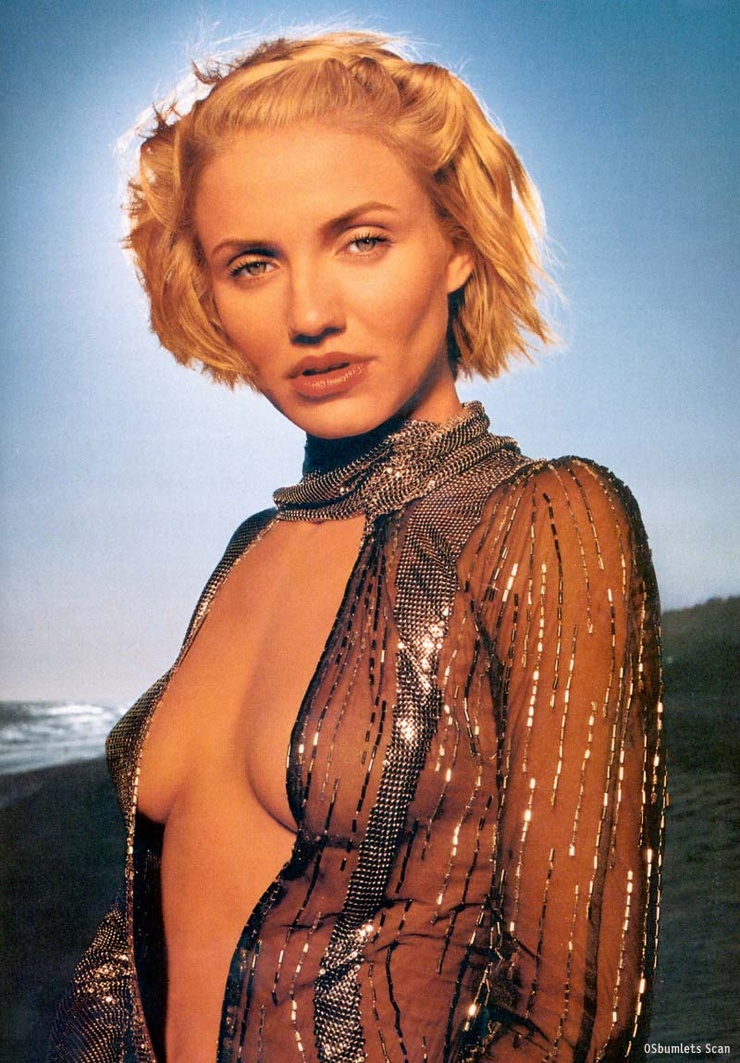
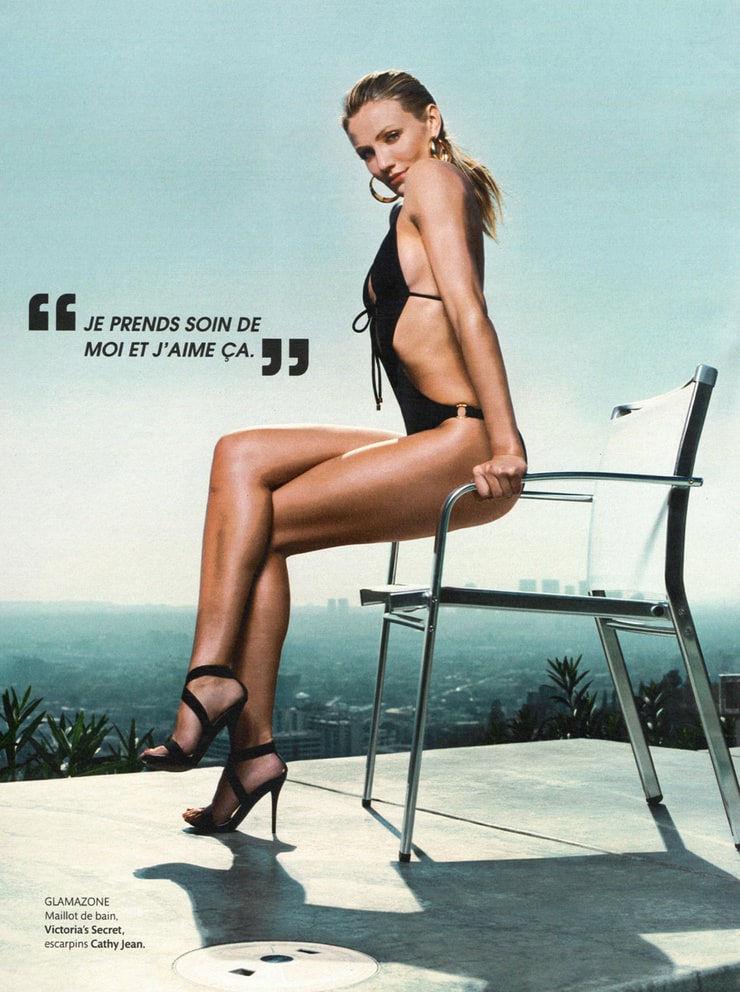
For years, audiences around the world wondered why Cameron Diaz, one of Hollywood’s most recognizable and bankable stars, seemed to disappear from the big screen at the height of her career. Known for her infectious energy, effortless charm, and a string of blockbuster hits, Diaz was once everywhere, from romantic comedies to action-packed franchises. Then, almost suddenly, she stepped away, leaving fans and industry insiders speculating about what really drove her decision. The answer, as it turns out, is far more personal, thoughtful, and relatable than any dramatic Hollywood narrative.




To understand her departure, it’s important to look at the intensity of the career she built. Cameron Diaz rose to fame in the mid-1990s with her breakout role in The Mask alongside Jim Carrey, instantly becoming a household name. From there, she quickly established herself as one of the most versatile actresses of her generation, seamlessly moving between comedy, drama, and action. Films like There’s Something About Mary and Charlie’s Angels not only cemented her status as a leading lady but also made her one of the highest-paid actresses in Hollywood at the time. Her voice role in Shrek added another layer to her success, reaching audiences across generations.


But behind the success was a lifestyle that demanded constant movement, long hours, and little room for personal grounding. For nearly two decades, Diaz lived what many would consider a dream career, but it came with a cost. In interviews following her hiatus, she opened up about the reality of that pace, describing how her life was largely controlled by schedules, productions, and the expectations that come with global fame. There was little time to simply exist outside of work, to build routines, or to fully connect with herself on a deeper level.


What makes her story compelling is that her decision to step away was not forced by scandal, failure, or industry rejection. Instead, it was a conscious choice driven by a desire for something more meaningful and balanced. Around 2014, after her role in Annie, Diaz quietly took a step back. At first, it seemed like a break, but over time, it became clear that she was redefining her life entirely. She later explained that she had spent so much time giving to her career that she realized she hadn’t been fully present for herself.


Love also played a significant role in this transformation. Her relationship with Benji Madden, whom she married in 2015, marked a new chapter in her life. Unlike the fast-paced, public nature of Hollywood, her personal life became more grounded and private. She has often spoken about how marriage brought her a sense of stability and partnership that she had not experienced before. This shift allowed her to focus on building a home, nurturing relationships, and eventually embracing motherhood, which became one of the most fulfilling aspects of her life.

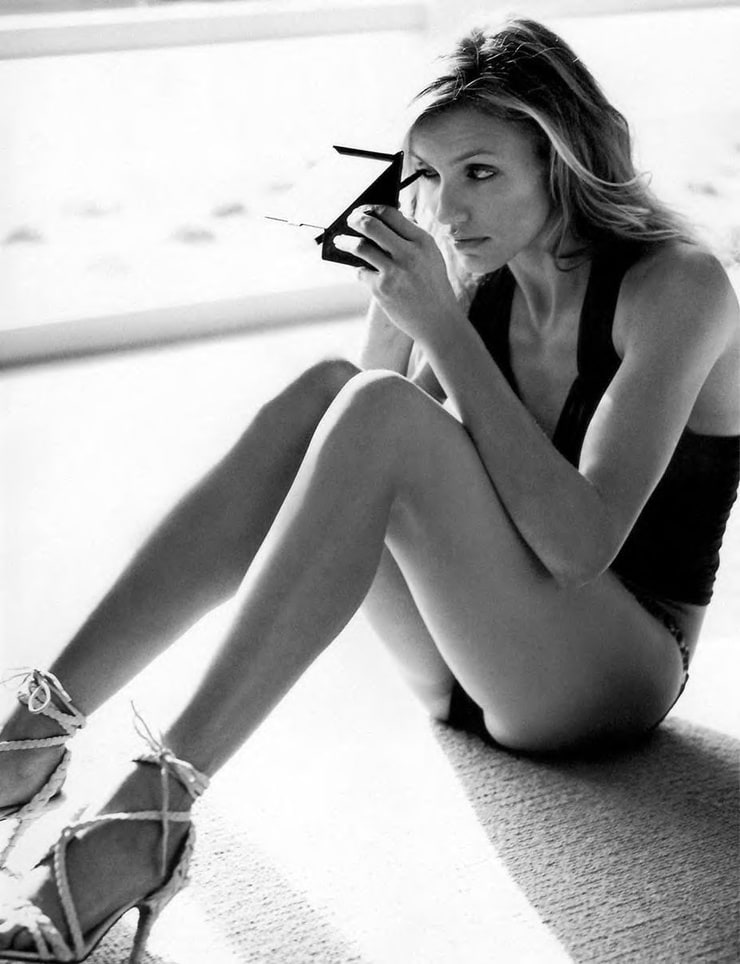

Another key factor behind her departure was her evolving perspective on identity. For years, she had been defined by her roles, her public image, and the expectations placed upon her as a celebrity. Stepping away gave her the opportunity to rediscover who she was outside of that framework. She described it as reclaiming ownership of her life, a process that involved slowing down, setting boundaries, and prioritizing her well-being over external validation.
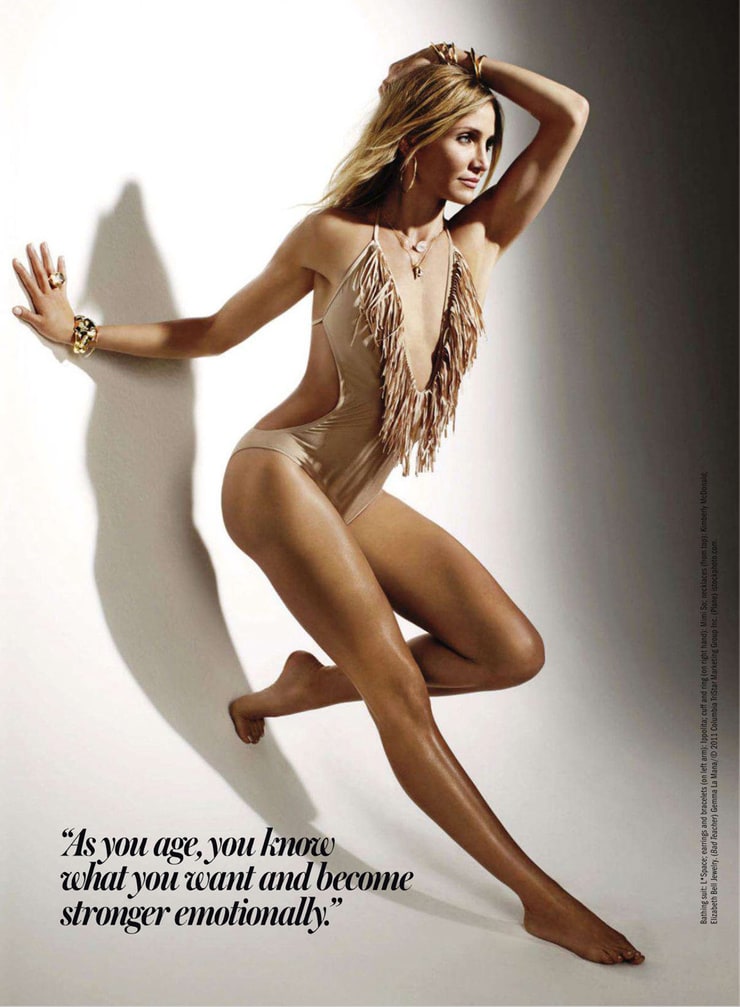

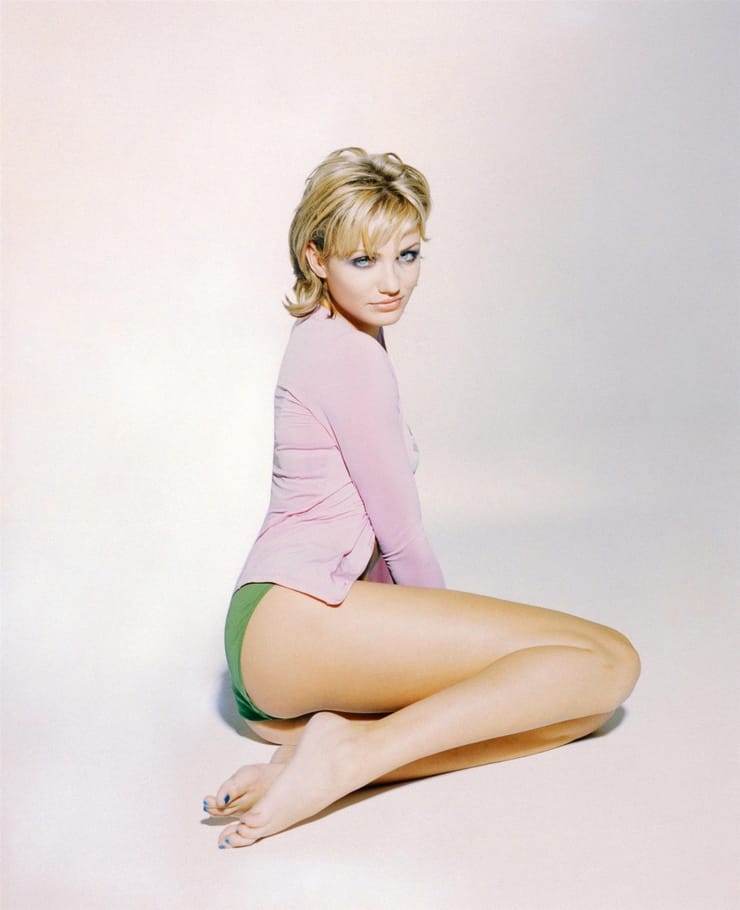
Interestingly, Diaz did not disappear entirely; she simply redirected her energy. She ventured into writing, co-authoring wellness-focused books that reflect her interest in health, aging, and self-care. She also became involved in business, co-founding a wine brand that aligns with her lifestyle values. These pursuits allowed her to remain creative and engaged without returning to the demanding structure of film production.

Public fascination with her absence only grew over time, partly because it is rare for someone at the peak of success to walk away voluntarily. In an industry where relevance is often tied to constant visibility, Diaz’s choice challenged the traditional narrative of success. She demonstrated that stepping back is not necessarily a loss, but can be a powerful form of self-preservation and growth.
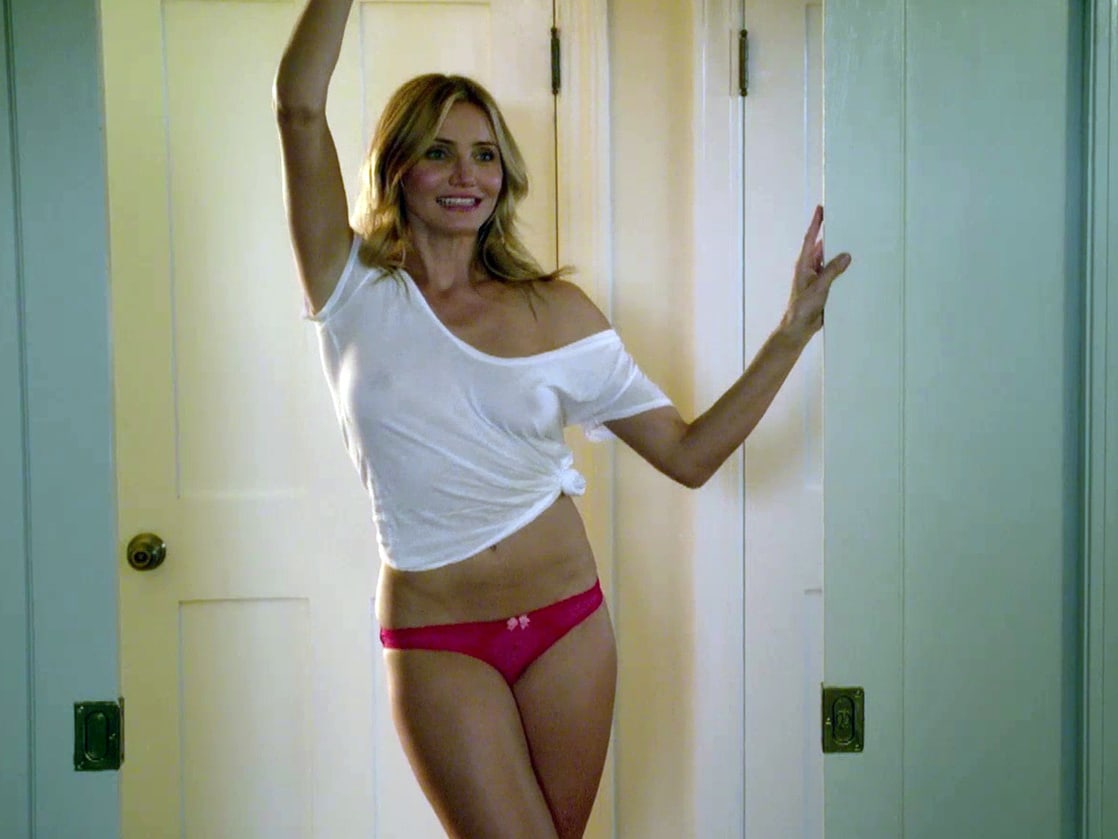
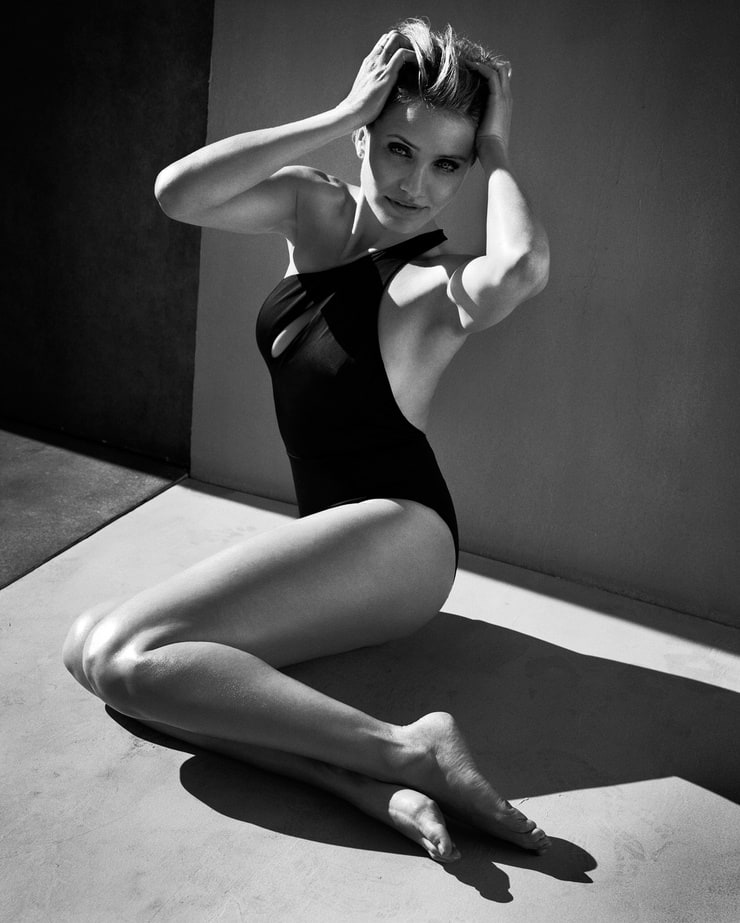

In recent years, there have been signs of her re-emerging, sparking excitement among fans who have missed her presence on screen. While she has expressed openness to returning to acting under the right circumstances, her approach remains selective and intentional. She is no longer driven by the need to maintain a career at all costs, but rather by the desire to engage in projects that align with her current life and values.


The real reason Cameron Diaz left Hollywood ultimately comes down to something deeply human: the search for balance, fulfillment, and authenticity. Her story resonates because it reflects a universal truth that success alone does not guarantee happiness. By stepping away, she chose to redefine what success means on her own terms, prioritizing personal well-being over professional momentum.


At a time when burnout and constant pressure are increasingly common, her decision feels not only understandable but also quietly inspiring. She reminds us that it is possible to pause, reassess, and choose a different path without losing what made you successful in the first place. And perhaps that is why her story continues to captivate audiences, not just as a tale of a star who left Hollywood, but as a reflection of what it means to truly take control of one’s life.