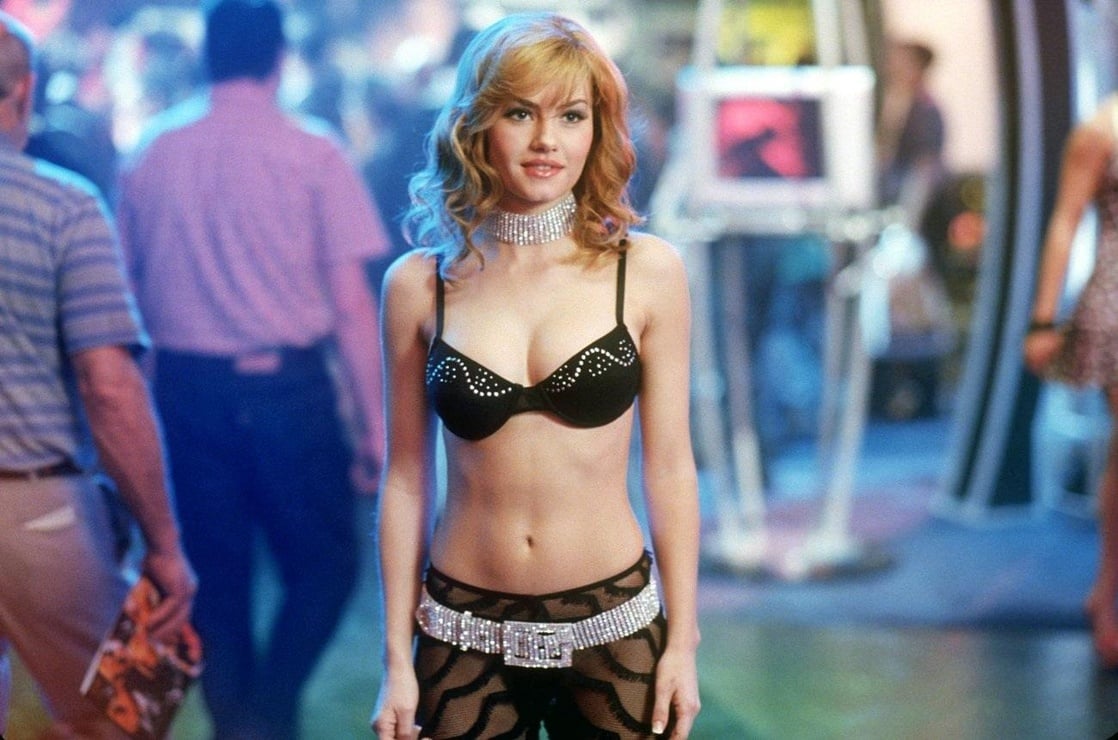
Elisha Cuthbert is experiencing a resurgence that many early 2000s stars never get to see again, and the reason behind it reflects the shift in how audiences consume entertainment today. Streaming platforms have democratized nostalgia, allowing viewers to rediscover the films and series that shaped the pop-culture landscape of the early millennium. For Cuthbert, this shift has placed her iconic roles back into the spotlight, where a new generation of fans is discovering her work for the first time while longtime admirers revisit the characters that made her a standout talent.


This renewed interest is not simply a product of nostalgia, but a result of how well her classic performances translate to modern audiences. The early 2000s were defined by distinct genres — high-concept comedies, thrilling action shows, and teen-focused dramas — and Cuthbert managed to leave a memorable mark in each. As streaming catalogs expand, these films and series continue to attract viewers seeking comfort, novelty, and retro charm, bringing Cuthbert’s standout roles back into the conversation.



One of the biggest catalysts for this resurgence is the binge-watching culture that streaming has normalized. Successful shows from previous decades are regularly rediscovered because audiences can now watch entire seasons in a matter of days. Cuthbert’s breakout role in 24, where she portrayed Kim Bauer, remains a strong example. The series’ real-time format and gripping tension still feel fresh, and her character — central to the emotional stakes of the show — once again draws viewers into the heart of its drama. Younger audiences who weren’t old enough to watch the show during its original run now encounter it for the first time, appreciating the iconic series as though it were newly released.



Similarly, her role in the beloved comedy series Happy Endings continues to find new life online. While the show had a passionate fanbase during its original airing, streaming has given it a second wind. Many comedies struggle to hold up over time, but Happy Endings feels just as sharp, fast-paced, and culturally relevant in the modern landscape. Cuthbert’s performance as Alex Kerkovich — a character who combines charm, comedic timing, and an effortlessly likable presence — is often cited as one of the show’s highlights. As more viewers discover or revisit the series, appreciation for her comedic talent grows, reinforcing her reputation as an actress with impressive range.



Films from the early 2000s are also enjoying a powerful renaissance on streaming platforms, particularly those that embody the era’s distinctive blend of comedy, romance, and adventurous storytelling. Cuthbert’s roles in such films regularly trend because they strike a balance between nostalgia and rewatchability. Movies from this period maintain a certain charm that resonates strongly with both millennial viewers and younger audiences craving a different cinematic flavor than what dominates today’s box office. These films offer simplicity, humor, and heart — qualities that translate well across generations.


![Elisha Cuthbert [3300x4200] : r/UHQcelebs](https://i.redd.it/fa5f08zd15q81.jpg)
It also helps that Cuthbert was part of some of the era’s most memorable casting ensembles. Whether she was contributing to a comedic narrative or anchoring a thriller with emotional depth, her performances carried a sincerity and accessibility that made her characters easy to root for. As streaming revives interest in these films, viewers are reminded of how naturally she carried screen presence. In a time before social media dictated celebrity culture, many actors relied solely on their on-screen work to make an impression, and Cuthbert consistently delivered performances that left lasting memories.


Another factor contributing to her renewed prominence is the way the entertainment industry now elevates discussions around “underrated icons,” particularly female performers from earlier decades who never quite received the recognition they deserved at the time. Online fan communities, especially on platforms like TikTok, Reddit, and Twitter, have become engines of cultural reevaluation. Trend cycles, nostalgic edits, and commentary threads highlight why certain actors resonated so deeply with audiences. Cuthbert frequently appears in these discussions, praised for her versatility, her comedic instincts, and her ability to ground her characters in authenticity.


This digital reexamination has helped reshape her legacy, positioning her not just as a nostalgic figure from early 2000s pop culture but as an actor whose body of work holds up impressively well under today’s standards. As these conversations spread, interest in her classic roles naturally rises — and with it, the streaming numbers. The more audiences engage with her work, the more visible it becomes on platform recommendation algorithms, creating a cycle of rediscovery that continues fueling the trend.


Her resurgence also aligns with a broader shift toward comfort viewing, a trend especially prominent in the post-pandemic era. Many viewers now seek content that feels emotionally familiar or lighter in tone, a stark contrast to the heightened intensity of much contemporary media. Cuthbert’s classic roles, which often blend warmth, humor, and relatability, provide exactly the kind of viewing experience people gravitate toward during stressful times. The characters she played were often grounded, empathetic, and quietly resilient — traits that viewers continue to find appealing and soothing.


Elisha Cuthbert’s renewed relevance also reflects how the entertainment industry’s perception of “timelessness” has evolved. Today, performances that feel genuine, comfortable, and unforced tend to stand the test of time more effectively than overly stylized or era-specific acting choices. Cuthbert instinctively brought sincerity and naturalism to her roles, regardless of genre. Now that audiences have the ability to revisit these performances in high volume, her consistency has become more apparent, reinforcing the respect she continues to earn from fans and critics alike.


As streaming platforms keep expanding their libraries, classic content will continue cycling through waves of renewed popularity. For actors like Cuthbert, whose early work straddled multiple genres and appealed to a wide demographic, these cycles offer a powerful reminder of how impactful their contributions were — and still are. This reemergence has also sparked interest in her more recent projects, giving her current work a visibility boost driven by nostalgia-fueled appreciation.


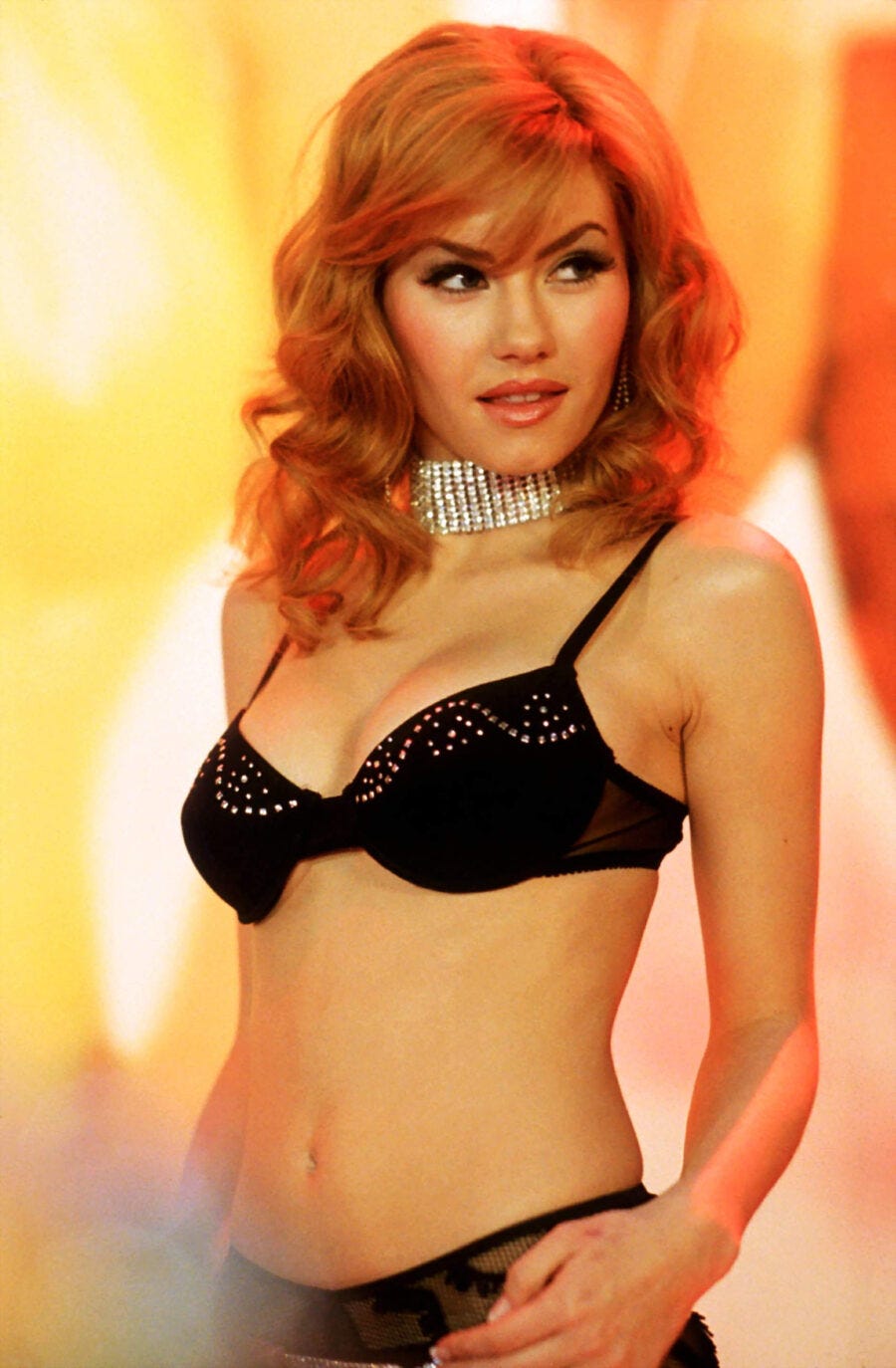
In many ways, Elisha Cuthbert’s streaming-era resurgence is a testament to how the landscape of entertainment has changed. Where once an actor’s career might fade as decades passed, today’s digital archives preserve performances indefinitely, allowing new fans to discover — and champion — them long after their initial release. For Cuthbert, this shift has helped reaffirm her place in the modern pop-culture conversation.



As streaming services continue to highlight the gems of earlier eras, Elisha Cuthbert’s classic roles will likely remain part of the cultural rotation. Her early work resonates now more than ever, not just because of the nostalgia it evokes, but because of the honest, engaging performances she delivered. In a viewing environment where fresh eyes meet timeless characters every day, Cuthbert’s legacy feels newly vibrant — and her influence just as enduring as it was during the height of her early fame.