In the world of television, audiences often focus on major plot twists, powerful performances, and dramatic storylines. Yet sometimes, a seemingly small detail can spark an unexpectedly large cultural conversation. That has certainly been the case with the hairstyle worn by Keri Russell in the hit Netflix series The Diplomat. While political dramas are typically analyzed for their commentary on government, diplomacy, and international relations, Russell’s hair has become one of the show’s most talked-about features, generating debate among viewers, critics, and fashion observers alike.


At first glance, the attention may seem surprising. After all, television history is filled with memorable hairstyles that become associated with iconic characters. However, the conversation surrounding Russell’s appearance in The Diplomat goes far beyond aesthetics. Her character’s intentionally unpolished hair has become a symbol of larger discussions about power, professionalism, gender expectations, and how women in leadership positions are portrayed on screen.
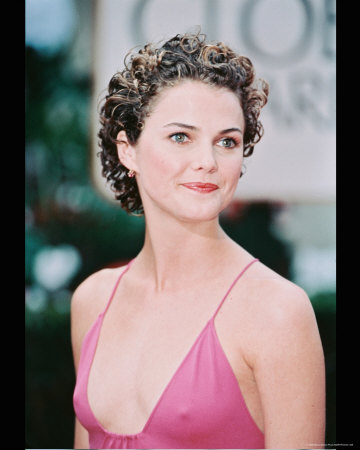

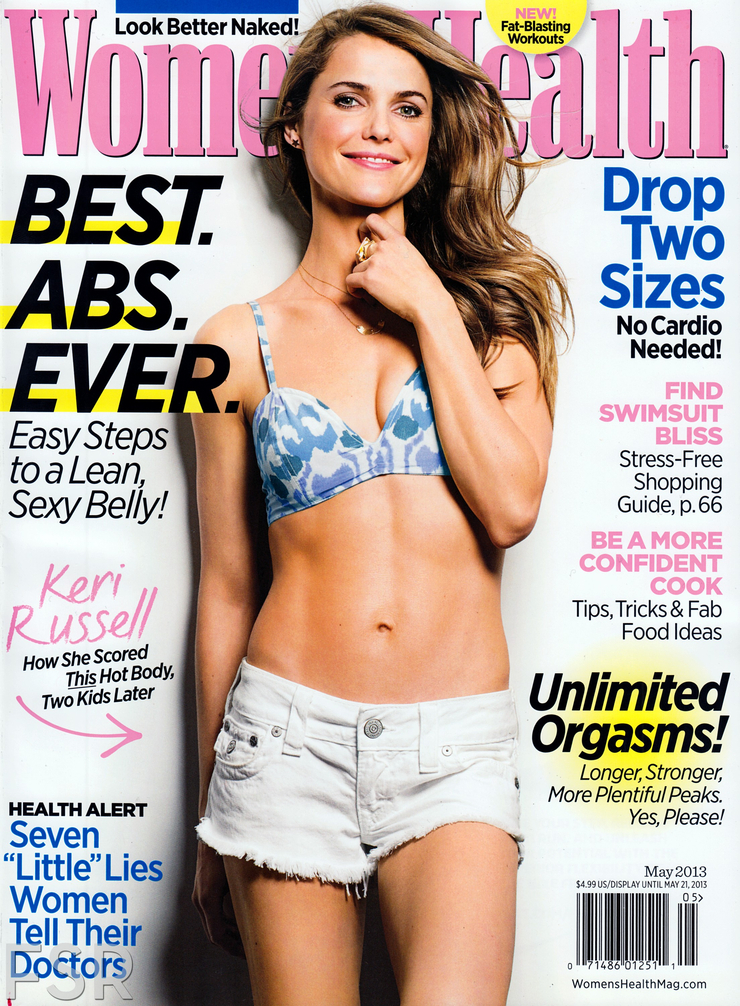
In The Diplomat, Russell plays Kate Wyler, a highly skilled American diplomat navigating complex international crises while balancing personal and political challenges. Unlike many female characters in high-ranking government roles, Wyler does not appear with perfectly styled hair, flawless makeup, or meticulously curated fashion choices. Instead, her hair often looks slightly messy, natural, and practical, as though she has more important concerns than maintaining a polished public image.


This creative decision was intentional. The show’s creators sought to present a woman whose expertise and effectiveness are not defined by conventional beauty standards. Kate Wyler is portrayed as someone focused on diplomacy, strategy, and problem-solving rather than appearance. Her hairstyle reflects that characterization, reinforcing the idea that competence and leadership should take precedence over aesthetic perfection.

The decision immediately attracted attention because it challenged long-standing television conventions. For decades, female characters in positions of power have frequently been depicted with carefully styled hair and impeccable grooming, regardless of the realistic demands of their jobs. Political dramas, in particular, often present women in government as polished and camera-ready at all times. By contrast, Kate Wyler’s appearance feels intentionally lived-in and realistic.

Many viewers praised this approach, arguing that it offers a refreshing departure from unrealistic portrayals of professional women. Supporters contend that the hairstyle communicates authenticity. In a role involving constant travel, high-stakes negotiations, and endless diplomatic crises, it seems plausible that personal grooming might not always be the top priority. For these viewers, the hair serves as a visual reminder that effective leadership is about intelligence, judgment, and resilience rather than appearance.


However, not everyone has embraced the choice. Critics have argued that the hairstyle occasionally appears distracting or overly exaggerated. Some viewers feel that the show’s effort to signal realism sometimes results in a look that appears deliberately messy rather than naturally practical. Others have questioned whether a real-world diplomat operating at the highest levels of international politics would actually appear so consistently unpolished in public settings.
The debate reveals a deeper issue at the heart of the controversy: society’s expectations of women in leadership roles. Male political figures often face relatively little scrutiny regarding their hairstyles, provided they meet basic professional standards. Female leaders, on the other hand, are frequently judged on everything from clothing choices to makeup, hairstyles, and overall presentation. The attention given to Keri Russell’s hair demonstrates how deeply these expectations remain embedded in public discourse.
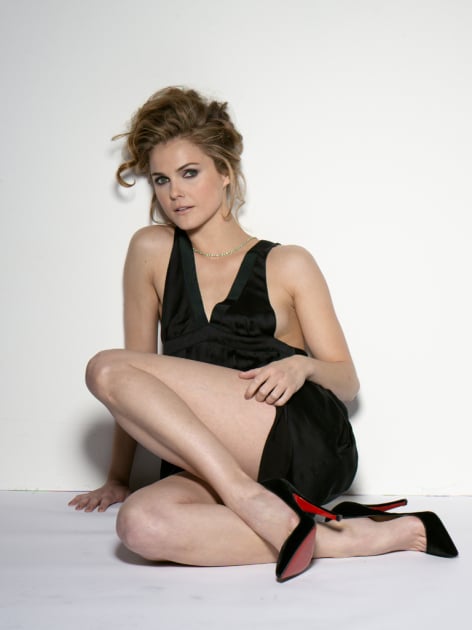
In many ways, the hairstyle functions as a political statement precisely because it challenges those expectations. By refusing to conform to traditional standards of television glamour, the character invites audiences to reconsider what leadership should look like. The conversation becomes less about hair itself and more about the cultural assumptions surrounding women who occupy positions of authority.
The issue is particularly relevant in contemporary politics. Real-world female politicians, diplomats, executives, and public figures often face intense scrutiny over their appearance. Media coverage sometimes devotes significant attention to fashion and beauty choices that would receive little notice if made by male counterparts. This disparity has led many commentators to argue that women are still expected to balance professional competence with specific standards of attractiveness.
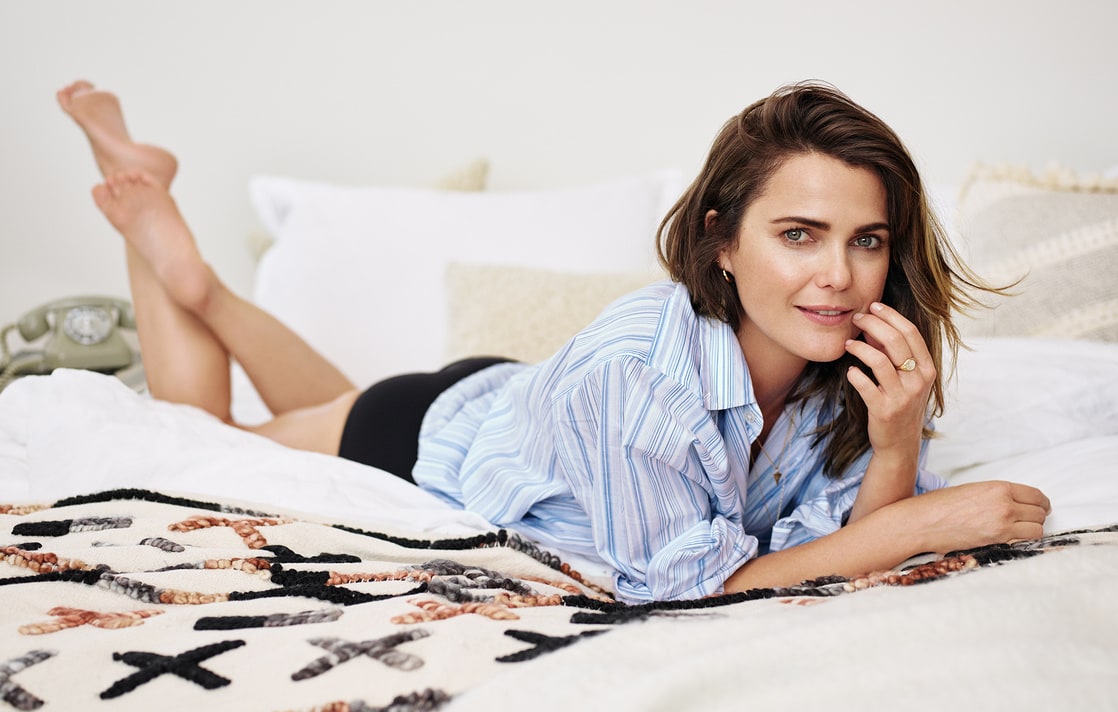
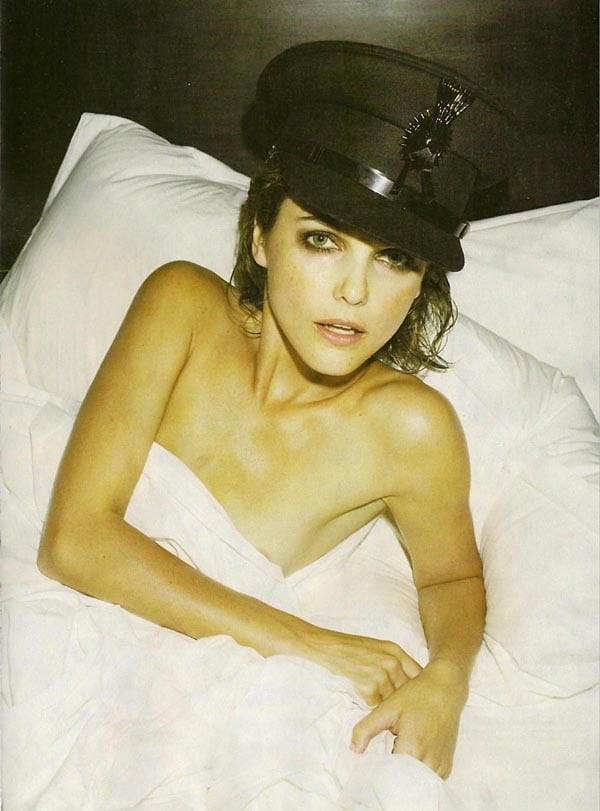
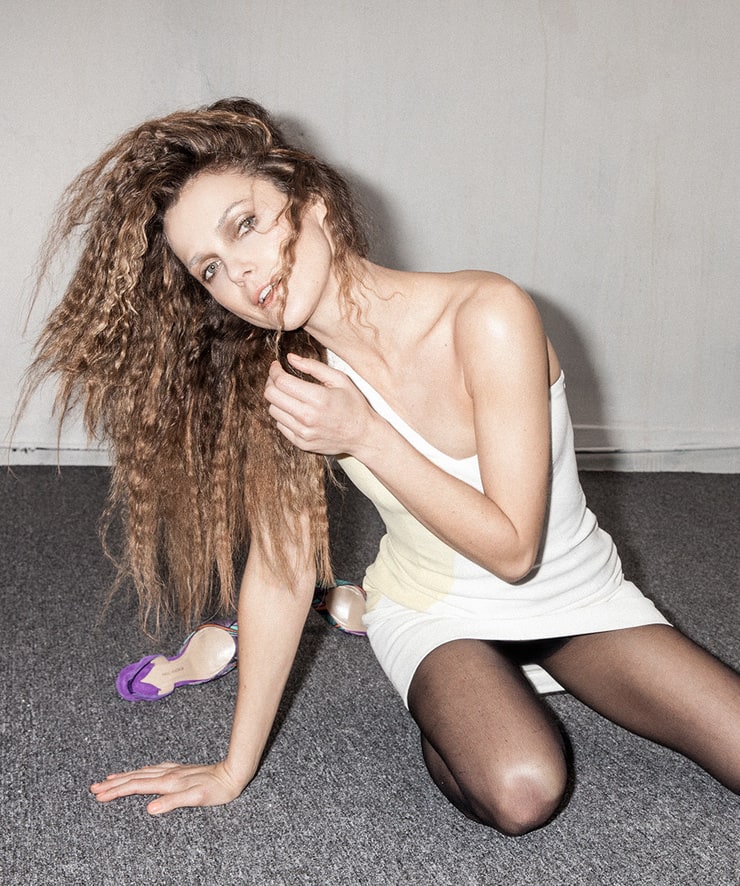
Kate Wyler’s hairstyle pushes against this dynamic. It suggests that a woman can be brilliant, influential, and effective without appearing perfectly styled at every moment. In doing so, it challenges viewers to separate perceptions of competence from expectations of beauty. For supporters of the show’s creative choices, this represents an important step toward more realistic and equitable portrayals of women in positions of power.
The controversy has also highlighted the role costume and beauty design play in storytelling. Hairstyles are often treated as purely cosmetic elements, but in television and film they can communicate important information about a character’s personality, priorities, and emotional state. In The Diplomat, Kate Wyler’s hair serves as a visual extension of her character. It reinforces the impression that she is focused on solving global problems rather than maintaining a carefully curated image.


Keri Russell herself has contributed significantly to the effectiveness of this portrayal. Throughout her career, she has demonstrated a willingness to embrace complex, unconventional characters. Her performance in The Diplomat has been widely praised for balancing intelligence, vulnerability, humor, and determination. The hairstyle works because it aligns with the authenticity Russell brings to the role. Rather than feeling like a gimmick, it becomes part of a broader characterization that audiences find believable.
Interestingly, the debate surrounding the hairstyle mirrors many of the themes explored within the series itself. The Diplomat frequently examines questions of perception, image management, and the gap between public appearances and private realities. In that sense, the conversation about Kate Wyler’s hair reflects the show’s broader interest in how people navigate expectations and assumptions.


The reaction also demonstrates the power of visual storytelling in modern television. In an era when audiences analyze every detail of popular shows through social media, even seemingly minor creative choices can generate widespread discussion. The fact that a hairstyle has become a recurring topic of conversation speaks to both the popularity of The Diplomat and the cultural issues embedded within its design choices.
Ultimately, whether viewers love or dislike Kate Wyler’s hair, its impact is difficult to deny. The hairstyle has succeeded in generating conversation about gender, leadership, professionalism, and representation. It has encouraged audiences to think critically about the standards applied to women in positions of authority and the ways those standards shape public perception.


In a television landscape often dominated by carefully polished images, The Diplomat offers something different. Through Keri Russell’s portrayal of Kate Wyler, the series presents a character whose value lies in her intelligence, determination, and diplomatic skill rather than her ability to meet conventional beauty expectations. The resulting debate may have started with a hairstyle, but it has evolved into a much larger discussion about power, authenticity, and the evolving portrayal of women in leadership.
That is precisely why Keri Russell’s hair in The Diplomat remains both political and controversial. It is not simply a styling choice. It is a visual statement that challenges assumptions, sparks debate, and reflects some of the most important cultural conversations of our time.