Jena Sims has never been afraid of attention, but even she admits she was surprised by the overwhelming reaction that followed her outfit choices during the 2026 Masters Tournament. The model, actress, entrepreneur, and wife of professional golfer Brooks Koepka suddenly found herself at the center of one of golf’s most unexpected social media controversies after fans began criticizing several of the outfits she wore while attending the prestigious event at Augusta National.


What started as a fashion moment quickly evolved into a viral debate across TikTok, Instagram, X, and sports media platforms. Critics accused Sims of dressing too boldly for one of golf’s most traditional tournaments, while supporters defended her right to express her personal style. As videos, comments, and reaction posts spread online, the controversy transformed Sims into one of the most talked-about personalities of Masters week, despite not being a golfer herself. Rather than retreating from the spotlight, however, Sims has now addressed the backlash directly, revealing that the experience ultimately brought unexpected opportunities and dramatically increased her visibility.

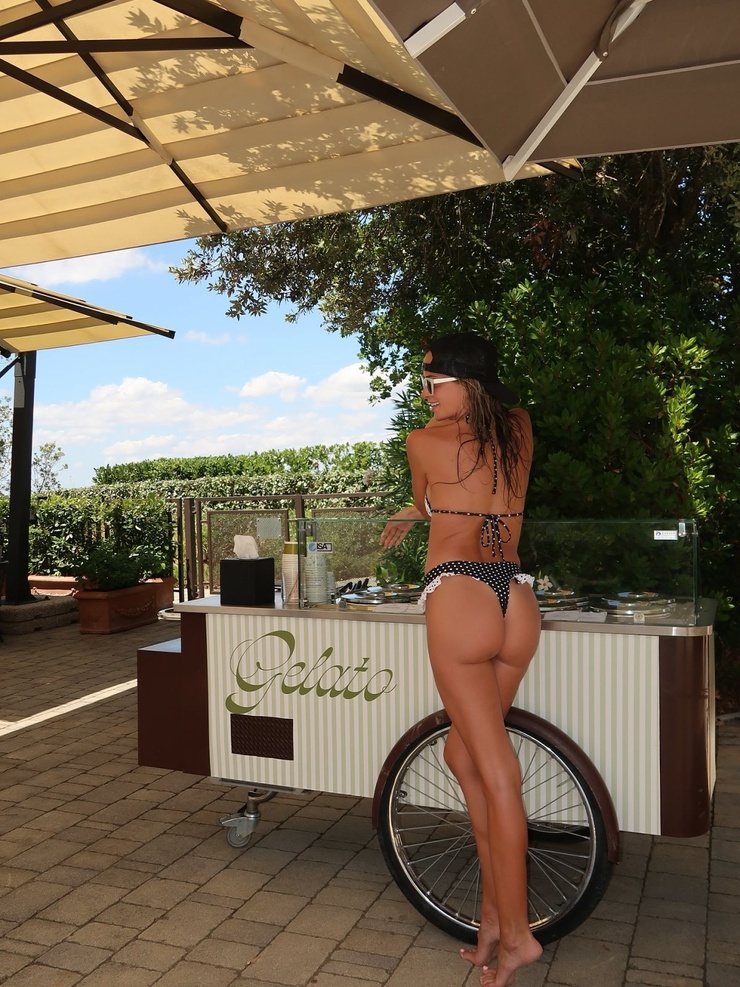

The controversy centered largely around one particular outfit that quickly became a social media lightning rod. Sims appeared wearing Masters-themed terry towel pants paired with a cropped green long-sleeve top and a sparkling Masters-inspired handbag. While many fashion fans praised the look as playful and creative, others felt it clashed with Augusta National’s reputation for understated elegance and traditional style. Critics flooded social media with comments arguing that the outfit was too flashy and inappropriate for one of golf’s most respected events. Some users compared the look to festival fashion, insisting that the Masters should maintain a more classic dress culture.


As criticism intensified, Sims watched the reaction explode beyond anything she had previously experienced online. Speaking about the situation during an appearance on The Viall Files podcast, she admitted that the response was unlike any viral moment she had encountered before. She explained that people began creating reaction videos, green-screen commentary clips, and social media discussions entirely focused on her outfits. According to Sims, the volume of engagement became so intense that her phone was constantly flooded with notifications and messages. Rather than viewing the attention negatively, she said the controversy ended up generating enormous exposure and opening new doors professionally.


One reason the situation attracted so much attention is because Augusta National and the Masters Tournament occupy a unique place in sports culture. Unlike many modern sporting events that embrace celebrity fashion moments, the Masters has long been associated with tradition, exclusivity, and conservative style. Fans often expect attendees to follow an unspoken dress code that reflects the tournament’s history and atmosphere. Because of that cultural backdrop, Sims’ fashion choices became a surprisingly divisive topic. What may have passed without controversy at another event suddenly became front-page sports and entertainment news because of where it happened.


Despite the criticism, Sims made it clear that she was never attempting to disrespect the event. Throughout the tournament, she viewed her outfits as a fun way to celebrate Masters week while showcasing her personality. For Sims, fashion has always been part of her public identity. Long before becoming known within golf circles, she had already built a career in modeling, pageantry, entertainment, and social media. Expressing herself through clothing came naturally, even in a setting as tradition-focused as Augusta National.


As the backlash grew, Sims admitted she became concerned about one particular issue: whether the controversy could negatively affect Brooks Koepka during one of the most important tournaments of the year. The five-time major champion entered Masters week focused on competing at the highest level, and Sims worried that the online noise surrounding her outfits might create unnecessary distractions. Wanting reassurance, she reportedly reached out to Koepka and asked for his opinion after reading many of the negative comments.

Koepka’s response immediately eased her concerns. According to Sims, the golfer was completely unfazed by the criticism and told her he thought the outfit was perfectly fine. His calm reaction became one of the most talked-about parts of the story, with many fans praising his supportive attitude. Sims later joked that her husband has always maintained a strict rule during Masters week: unless something truly catastrophic happens, he prefers to stay focused entirely on golf. His relaxed response reinforced the strong relationship dynamic the couple has developed over the years.

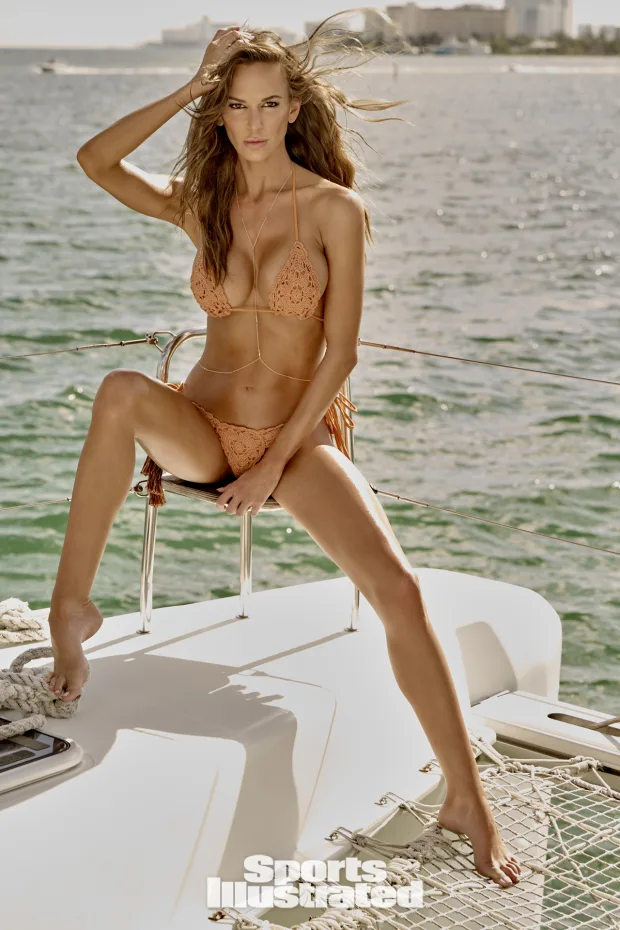
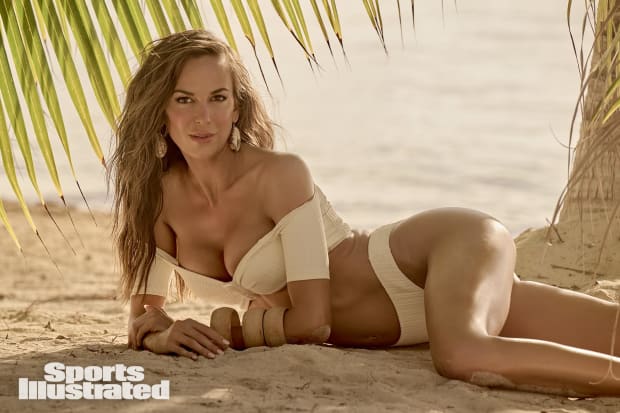
The attention surrounding Sims also reflects the growing intersection between sports, celebrity culture, and social media influence. In previous generations, the spouses and partners of professional athletes rarely generated headlines independent of the athletes themselves. Today, however, many sports personalities have built powerful individual brands. Sims already possessed a significant public profile through modeling, acting, and her appearances in Sports Illustrated Swimsuit before becoming a regular presence at golf events. Her Masters controversy demonstrated how quickly conversations can shift from sports competition to fashion and lifestyle culture.
Interestingly, Sims revealed that the backlash ultimately benefited her career in ways she never expected. While some public figures might view criticism as damaging, she described the experience as a major boost to her online engagement and professional visibility. The viral discussions introduced her to new audiences, generated media coverage, and led to additional opportunities following the tournament. In the modern influencer economy, attention often translates into business opportunities, regardless of whether that attention originates from praise or criticism. Sims openly acknowledged that the controversy significantly expanded her reach.


The debate also sparked broader conversations about fashion expectations for women in sports environments. Many supporters argued that male attendees rarely face the same level of scrutiny regarding their clothing choices. Others questioned whether criticism of Sims reflected outdated standards about how women should present themselves at traditional events. The discussion extended beyond golf fashion and evolved into a larger conversation about self-expression, personal style, and public judgment in the age of social media.

For Sims, the experience appears to have reinforced her confidence rather than diminished it. Instead of apologizing or distancing herself from the outfits, she has embraced the conversation and continued speaking openly about the reaction. Her willingness to laugh about the situation while acknowledging its impact has helped reshape the narrative from controversy to opportunity. What initially appeared to be a negative moment became a defining example of how viral attention can unexpectedly elevate a public figure’s profile.
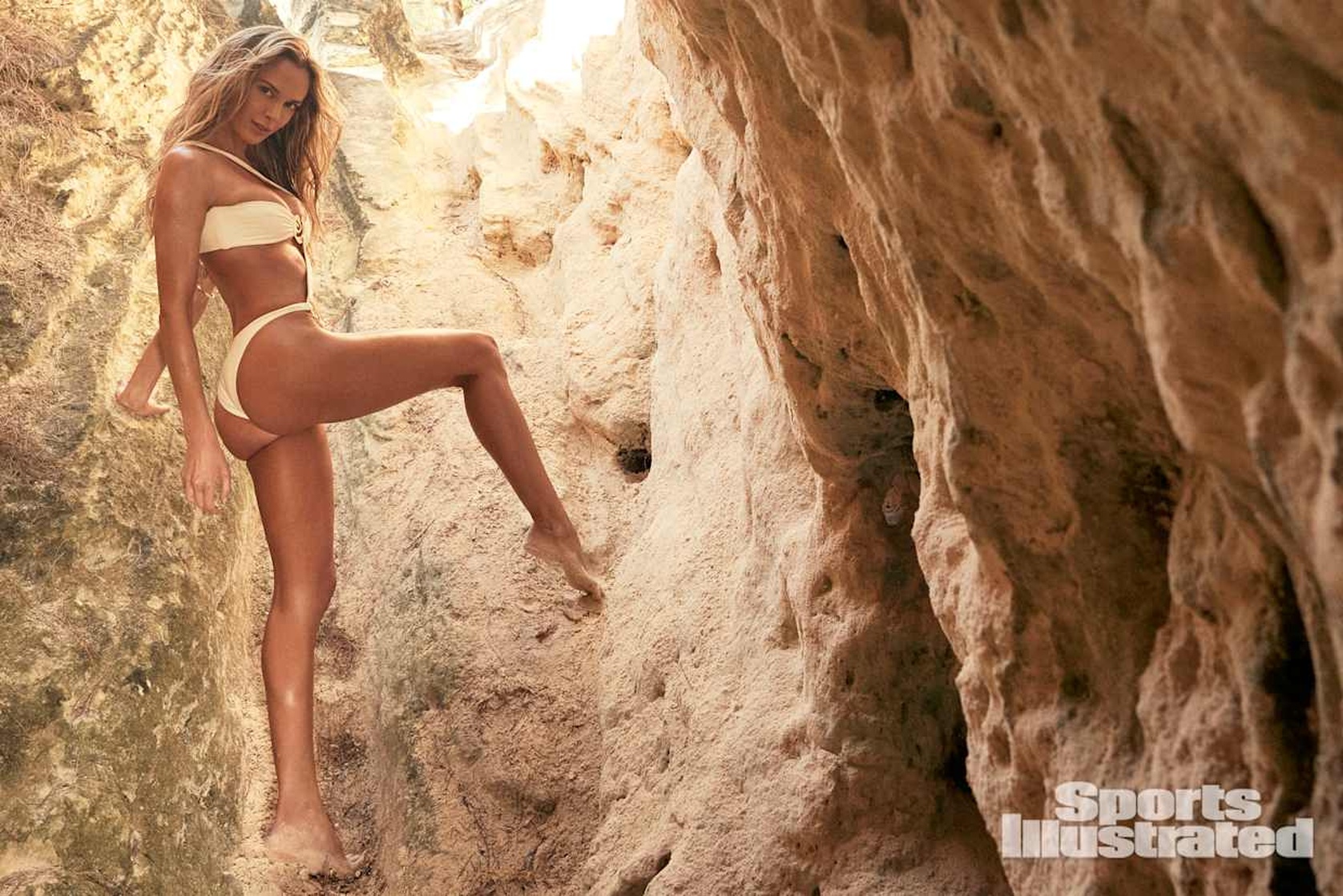
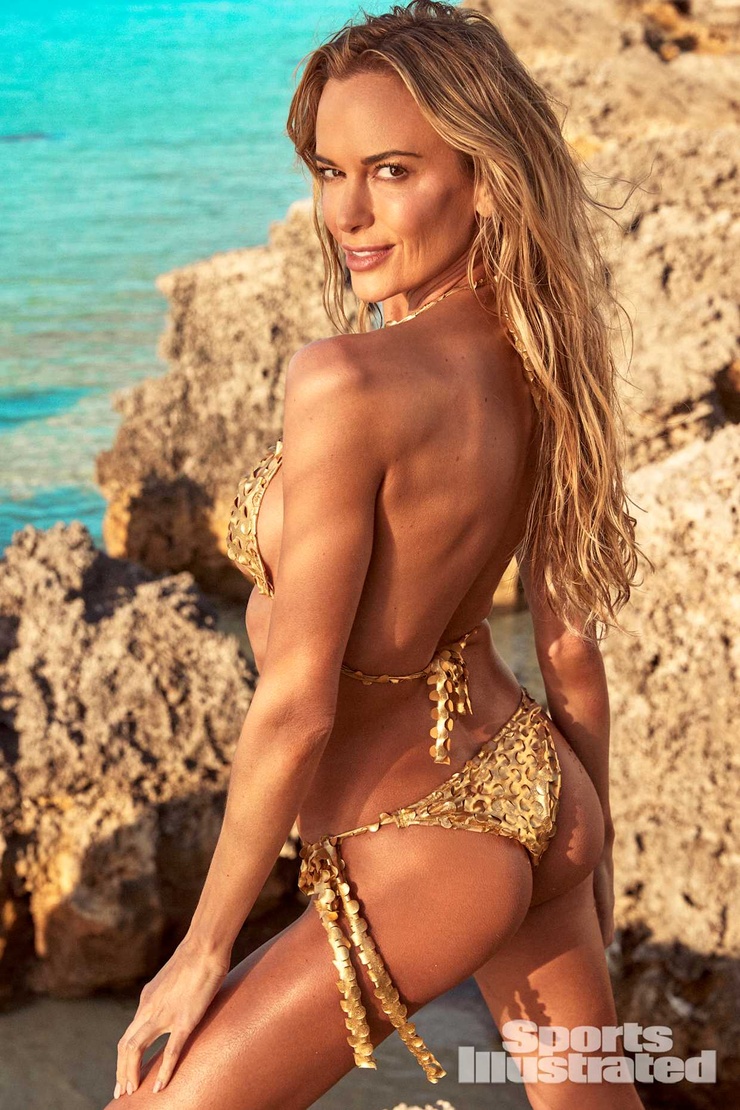
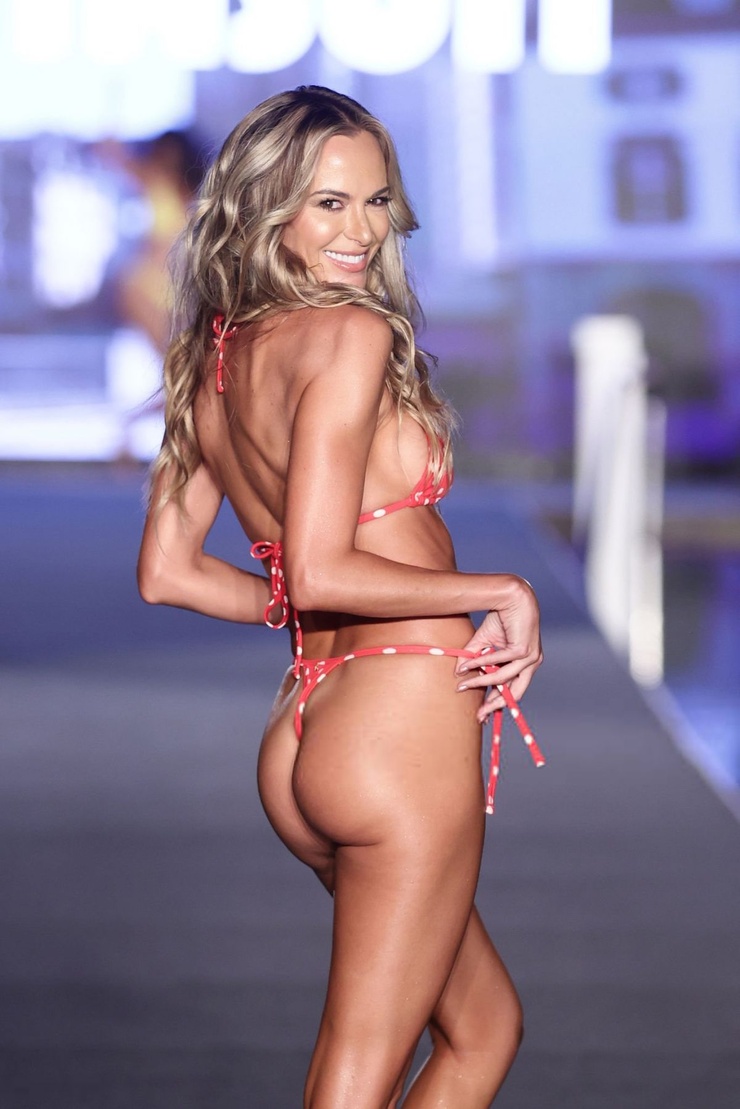
Today, Jena Sims remains one of the most recognizable personalities connected to professional golf, even though her career extends far beyond the sport itself. As a model, entrepreneur, actress, and philanthropist, she has spent years building her own platform. The Masters outfit controversy may have generated headlines for a few weeks, but it also highlighted her ability to navigate public scrutiny while staying authentic to herself. Rather than allowing criticism to dictate her choices, Sims turned a viral backlash into a conversation about fashion, confidence, and individuality.


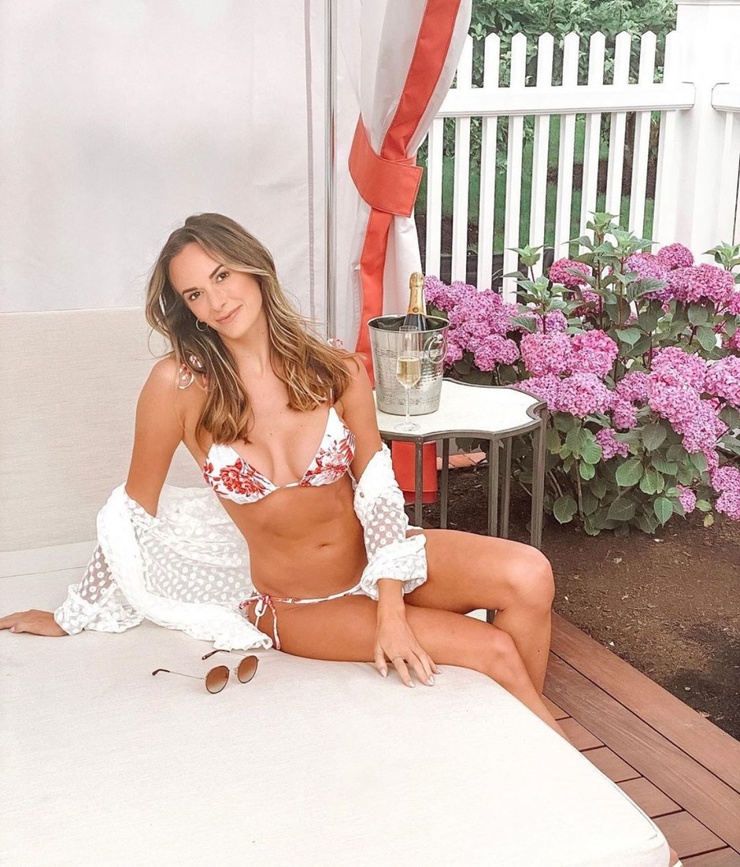
In the end, the controversy surrounding her Masters outfits says as much about modern internet culture as it does about Jena Sims herself. A single fashion choice sparked thousands of comments, countless reaction videos, and major media coverage. Yet through it all, Sims maintained her sense of humor and emerged with an even larger audience than before. For someone who has spent years working in industries built around visibility and public attention, that outcome may have been the biggest surprise of all.