Few artists have shaped modern pop music as profoundly as Britney Spears. For more than two decades, her name has remained synonymous with global fame, chart-topping hits, and cultural influence. From her explosive debut as a teenage superstar in the late 1990s to the highly publicized personal and legal challenges that dominated headlines years later, Spears has experienced one of the most remarkable and closely watched journeys in entertainment history. Now, as conversations surrounding her career, personal freedom, and long-term impact continue to evolve, many observers believe the singer is entering a new chapter that could redefine how her legacy is remembered by future generations.


Britney Spears first captured the world’s attention when she emerged as one of the defining faces of the teen pop boom. Her debut single, “…Baby One More Time,” became an instant global phenomenon, transforming her from a young performer into one of the biggest stars on the planet almost overnight. The success of her early albums established her as a dominant force in music, while her performances, music videos, and public appearances helped shape popular culture at the turn of the millennium. During a period when pop music was experiencing a major resurgence, Spears stood at the center of the movement, influencing countless artists who would follow in her footsteps.

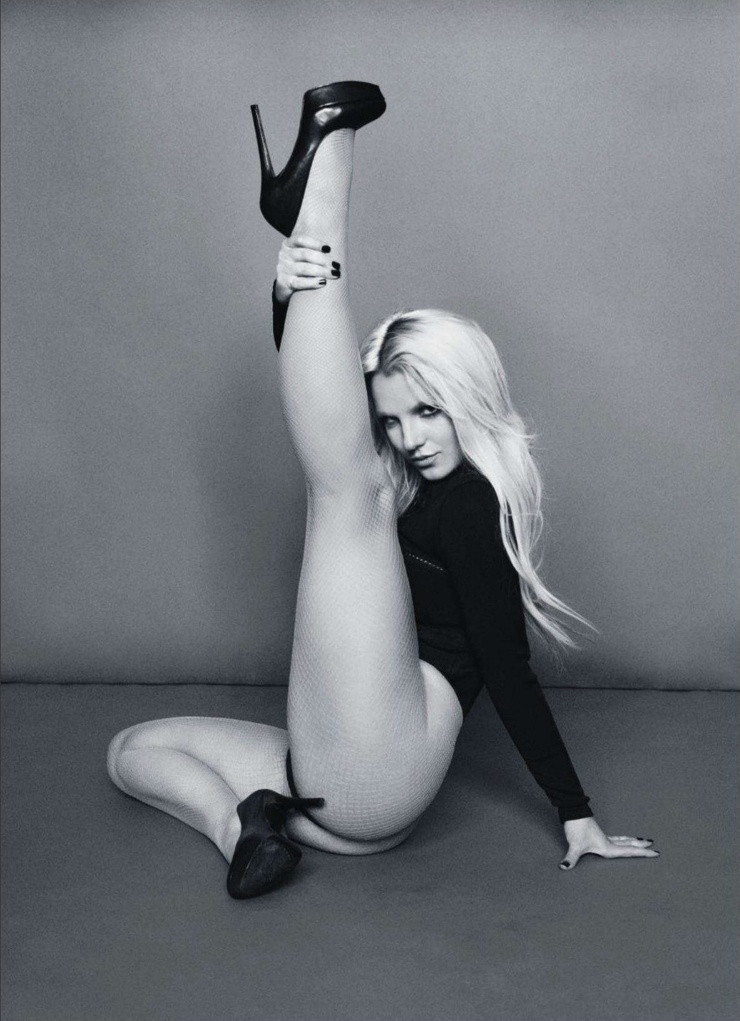

What made Spears particularly unique was her ability to connect with multiple generations of listeners. While she initially appealed to younger audiences, her music evolved alongside her fans. Songs such as “Toxic,” “I’m a Slave 4 U,” and “Womanizer” showcased an artist willing to experiment with new sounds while maintaining the catchy appeal that had made her famous. Her influence extended beyond music into fashion, dance, and celebrity culture, making her one of the most recognizable entertainers of her era. Even years after their release, many of her songs remain staples of playlists, social media trends, and pop culture discussions.
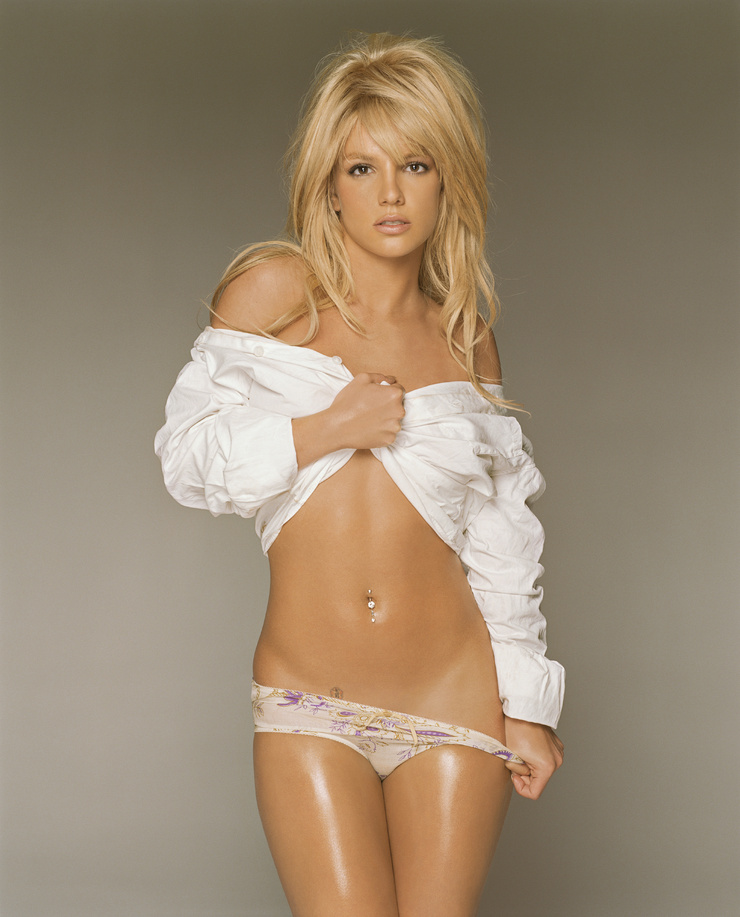


However, Britney Spears’ story has never been defined solely by her musical achievements. Her personal life became the subject of intense media scrutiny during the 2000s, creating a level of public attention that few celebrities have ever experienced. Every aspect of her life was analyzed, photographed, and discussed, often with little regard for her privacy. As public interest grew, so did concerns about the pressures placed on young stars navigating extraordinary fame. Over time, her experiences became part of a broader conversation about celebrity culture, media responsibility, and the treatment of women in the entertainment industry.



The conservatorship that governed significant aspects of Spears’ life for more than a decade eventually became one of the most controversial topics in modern celebrity history. What initially appeared to many as a legal arrangement designed to provide support evolved into a global debate about personal autonomy and individual rights. The rise of the #FreeBritney movement demonstrated how public opinion had shifted. Fans, activists, and observers around the world began questioning the circumstances surrounding the conservatorship and advocating for greater transparency. The movement ultimately became a powerful example of how social media and public activism can influence conversations about legal and personal freedoms.



When the conservatorship ended, many viewed it as a landmark moment not only for Spears but also for broader discussions about autonomy and mental health. Public reaction reflected a growing understanding that celebrities are human beings who deserve dignity, privacy, and control over their own lives. The conclusion of that chapter transformed how many people viewed Britney Spears. Rather than seeing her solely as a pop star, audiences increasingly recognized her resilience in the face of extraordinary challenges. This shift in perception has become a significant part of her evolving legacy.


Today, Britney Spears occupies a unique position in popular culture. Unlike many artists whose influence fades over time, her impact continues to resonate across generations. Younger musicians frequently cite her as an inspiration, while longtime fans remain deeply invested in her story. The modern music landscape bears clear traces of the style, performance techniques, and visual presentation that Spears helped popularize. Many of today’s biggest performers grew up watching her videos, studying her choreography, and learning from her approach to stardom.



Another important aspect of this new turn in her legacy is the growing recognition of her artistic contributions. For years, public conversations often focused more on controversy than creativity. However, recent reassessments of her career have highlighted the innovation and influence behind her work. Music critics and cultural commentators increasingly acknowledge her role in shaping contemporary pop music. Her catalog is being revisited not merely as nostalgic entertainment but as a body of work that helped define an era and influence future trends.



The rise of streaming platforms and social media has further strengthened Spears’ cultural relevance. New audiences continue discovering her music, while viral trends frequently introduce classic Britney tracks to listeners who were not even born when many of her biggest hits were released. This ability to remain relevant in a rapidly changing entertainment environment is something few artists achieve. It demonstrates the enduring appeal of her music and the lasting connection she maintains with audiences worldwide.


At the same time, public interest in Spears now extends beyond music. Her life story has become a case study in fame, personal agency, and the relationship between celebrities and the public. Documentaries, books, and media analyses have examined various aspects of her experiences, contributing to ongoing discussions about mental health awareness, media ethics, and legal oversight. These conversations have elevated her story beyond entertainment news, turning it into a subject of broader cultural significance.


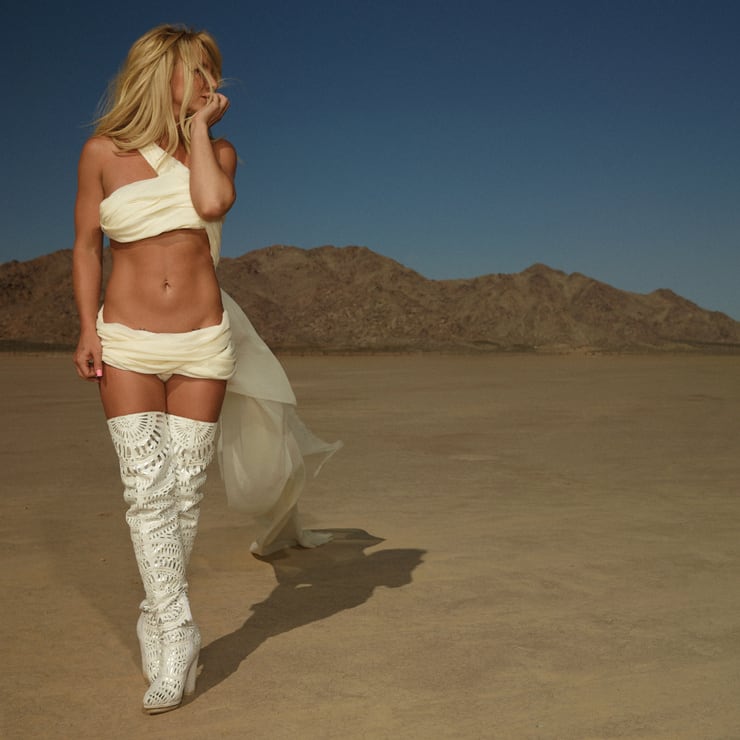
As Britney Spears moves forward, uncertainty remains about what comes next professionally. Whether she chooses to release new music, pursue creative projects, or focus primarily on her personal life, her place in pop culture history is already secure. Yet the current moment feels different from previous stages of her career. Rather than being defined by chart positions or tabloid headlines, she is increasingly viewed through the lens of resilience, influence, and personal empowerment. This transformation represents a meaningful shift in how her story is understood.

:max_bytes(150000):strip_icc():focal(598x0:600x2)/britney-spears-2-2f2a4bae4640416ba9fb97b1eedc7551.jpg)
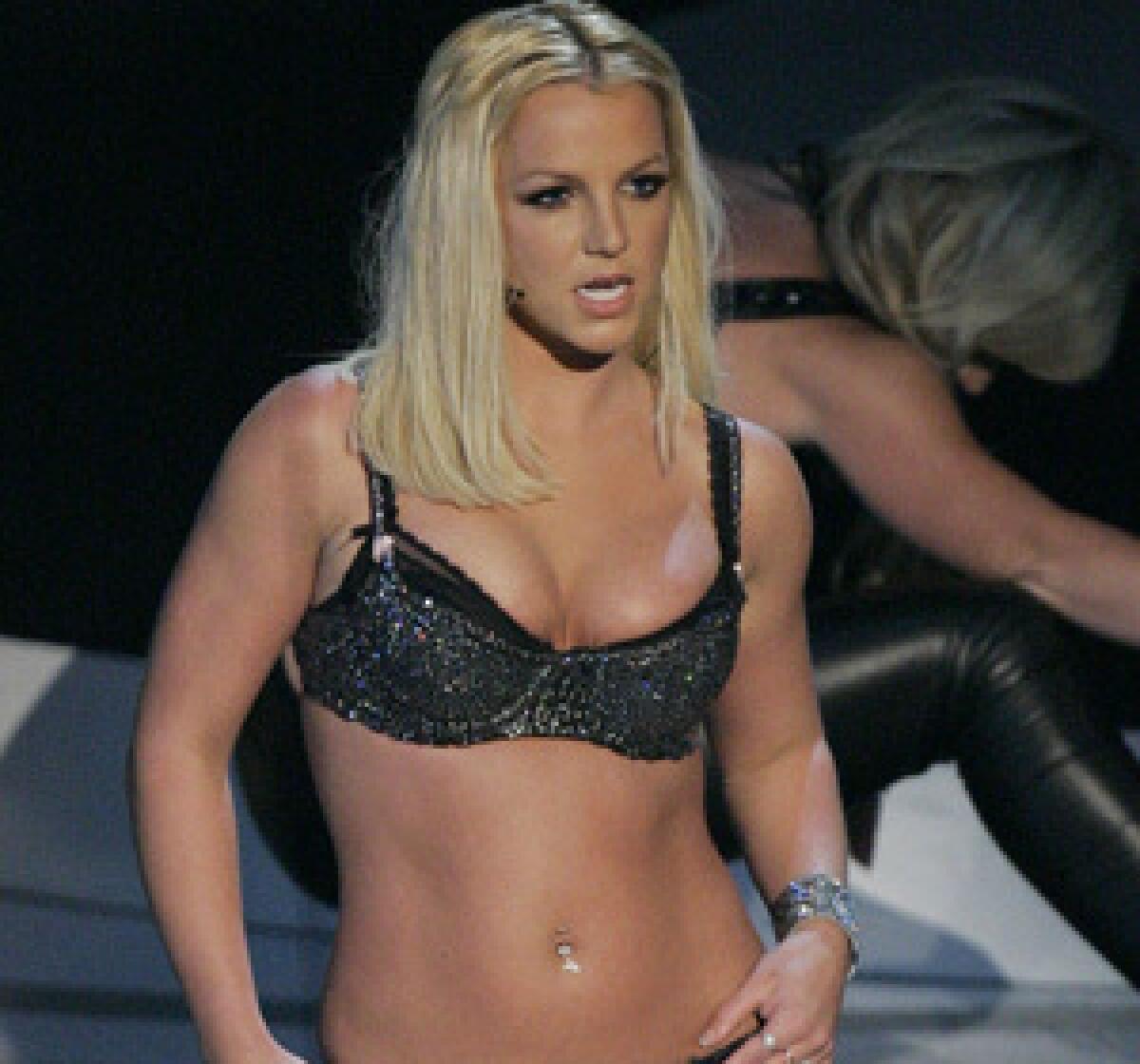
Ultimately, the new turn in Britney Spears’ pop legacy is not simply about music or celebrity status. It reflects a broader reassessment of a figure who spent much of her life under an extraordinary spotlight. Her journey has inspired conversations about fame, freedom, public perception, and the pressures faced by global superstars. While opinions about various chapters of her career may differ, there is little disagreement about her impact on popular culture. As audiences continue to revisit her music and reflect on her story, Britney Spears remains one of the most influential and fascinating figures in modern entertainment. Her legacy is no longer just about the records she sold or the awards she won; it is also about the cultural conversations she inspired and the enduring influence she continues to have on the world of pop music.




:max_bytes(150000):strip_icc():focal(539x0:541x2)/80058537_576995802854036_884785586274327138_n-0c6e1b88fc534e10b80e595cb624e13a.jpg)
