Few artists in modern pop history have managed to reinvent themselves as successfully and fearlessly as Christina Aguilera. Known for her powerhouse vocals, bold personality, emotional honesty, and unforgettable stage presence, Aguilera has remained one of the most recognizable names in entertainment for more than two decades. From dominating the late 1990s teen-pop era to evolving into a mature artist respected for her vocal ability and creative risks, she has consistently proven why she belongs among the greatest pop stars of her generation. Even today, her influence continues to shape music, fashion, and pop culture while new generations discover her iconic songs and performances.

Born Christina Maria Aguilera on December 18, 1980, in Staten Island, New York, the future superstar showed extraordinary musical talent from a very young age. She grew up in a military family and moved frequently during her childhood due to her father’s service in the United States Army. Public biographies note that Aguilera often used music as an emotional escape during difficult moments in her early life. Her powerful singing voice quickly attracted attention, and by the time she was a child, she was already performing at local talent shows and competitions. People around her reportedly referred to her as “the little girl with the big voice,” a nickname that would later become incredibly fitting as her career exploded internationally.



Aguilera’s first major breakthrough came when she joined the television program The All New Mickey Mouse Club in the early 1990s. The show famously featured several future superstars, including Britney Spears, Justin Timberlake, and Ryan Gosling. Although Aguilera was still very young, her confidence and vocal range already stood out. After leaving the show, she continued pursuing music opportunities and eventually recorded the song “Reflection” for Disney’s animated film Mulan. That opportunity became a turning point because it introduced her voice to a global audience and helped secure her first major recording contract.



In 1999, Aguilera released her self-titled debut album, Christina Aguilera, and instantly became one of the biggest pop stars in the world. The album included massive hits such as “Genie in a Bottle,” “What a Girl Wants,” and “Come On Over Baby.” The success was enormous, with the record producing multiple chart-topping singles and earning Aguilera the Grammy Award for Best New Artist. At a time when teen pop dominated global music charts, Aguilera distinguished herself through her extraordinary vocals. While many artists relied heavily on image or production, Aguilera’s vocal power became her defining strength.



As her fame grew, Aguilera began pushing against the limitations of being labeled a teen-pop singer. In 2002, she released the album Stripped, which completely transformed her image and artistic direction. The project included emotionally powerful songs such as “Beautiful,” “Fighter,” “Dirrty,” and “Can’t Hold Us Down.” Public reaction at the time was intense because the album explored themes of identity, sexuality, independence, self-expression, and vulnerability. While some critics initially viewed her transformation as controversial, Stripped eventually became recognized as one of the defining pop albums of the 2000s. Songs like “Beautiful” especially gained lasting cultural importance because of their messages about self-acceptance and confidence.



Aguilera’s career continued evolving with albums like Back to Basics, where she embraced vintage jazz, blues, and soul influences. The project showcased her artistic versatility and deep appreciation for classic music styles. Hits like “Ain’t No Other Man” proved she could successfully move beyond mainstream pop trends while still achieving commercial success. Fans and critics alike praised her willingness to experiment creatively instead of repeating the same formula. Throughout her career, one of Aguilera’s biggest strengths has been reinvention. She consistently changes her sound, fashion, and performance style while maintaining the vocal identity that made her famous in the first place.



Outside music, Aguilera also expanded into television and film. She starred alongside Cher in the 2010 musical drama Burlesque, a project that introduced her to movie audiences worldwide. The film later gained cult popularity among fans of musical cinema and fashion-focused entertainment. Reports also revealed that Aguilera became involved in developing a stage adaptation of Burlesque, which eventually debuted in live theater. Her ability to cross between music, television, fashion, and film helped strengthen her reputation as a multi-talented entertainer rather than simply a recording artist.


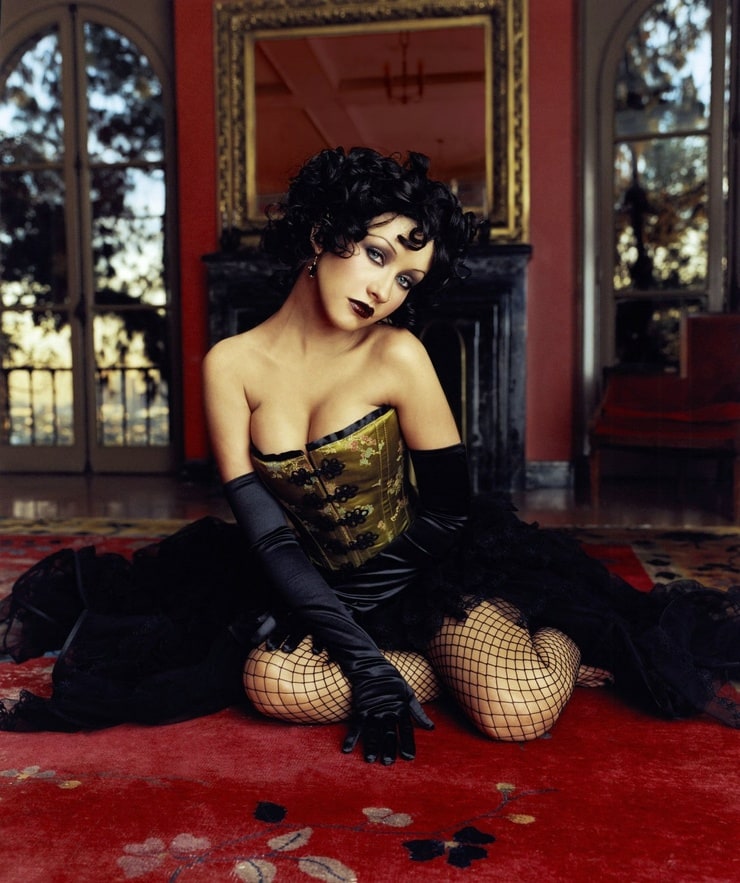
Another major chapter of Aguilera’s public life came through her role as a coach on the television competition series The Voice. Her appearances on the show introduced her personality to an entirely new generation of viewers. Fans appreciated her honesty, humor, emotional mentorship, and deep understanding of vocal performance. Unlike many celebrity judges who focused mainly on entertainment value, Aguilera often gave technically detailed advice to contestants because of her strong musical background. Her mentorship role further reinforced her image as one of the most respected vocalists in the industry.



Aguilera’s personal life has also remained a major subject of public interest over the years. She was previously married to music executive Jordan Bratman, with whom she shares her son Max. Following their separation, she later became engaged to Matthew Rutler, whom she met during the filming of Burlesque. The couple also share a daughter named Summer. Despite her global fame, Aguilera has often spoken openly about motherhood and how becoming a parent changed her perspective on life, career priorities, and emotional balance.


In recent years, Aguilera has experienced a strong resurgence in public attention. Her Las Vegas residencies attracted praise for their high-fashion production, intimate performances, and creative storytelling. She also returned to Spanish-language music with projects like La Fuerza, reconnecting with her Latin roots and introducing another side of her artistry to fans. Public interest in her classic albums has also grown significantly thanks to streaming platforms and social media trends, where younger listeners continue rediscovering songs from the Stripped and Back to Basics eras.


During 2025 and 2026, Aguilera once again generated major media attention because of her fashion transformations, public appearances, and hints about upcoming music projects. Reports from recent interviews suggest that she has been working creatively behind the scenes while teasing fans about a potential new musical era. Her appearance at the 2026 Breakthrough Prize Ceremony especially sparked online discussion after she debuted a dramatic new hairstyle and modern fashion look that quickly went viral across entertainment media. Even after decades in the spotlight, Aguilera still knows how to command attention and create cultural conversation.



Part of Aguilera’s enduring popularity comes from her authenticity. Throughout her career, she has openly discussed struggles involving fame, self-image, confidence, relationships, and personal growth. Many fans admire the fact that she never tried to maintain a perfectly polished celebrity image. Instead, she embraced imperfection, vulnerability, and reinvention. This honesty helped create a stronger emotional connection with audiences who saw her not just as a superstar, but as a real person navigating pressure and public scrutiny.


Today, Christina Aguilera remains one of the defining voices of modern pop music. With millions of records sold worldwide, multiple Grammy Awards, iconic songs, and decades of influence behind her, she continues to hold an important place in entertainment history. Whether through powerful ballads, unforgettable live performances, fashion statements, or personal honesty, Aguilera has built a legacy that continues inspiring artists and fans around the world. Her story is not simply about fame; it is about resilience, reinvention, artistic freedom, and the courage to evolve while staying true to herself.