Brazilian influencer and model Gabriela Moura has found herself at the center of a major online debate after a viral clip from a recent Victoria’s Secret Fashion Show appearance sparked questions about body representation in the fashion industry. What began as a runway moment quickly evolved into a widespread discussion about beauty standards, model classifications, and how fashion brands define terms such as “plus-size.”
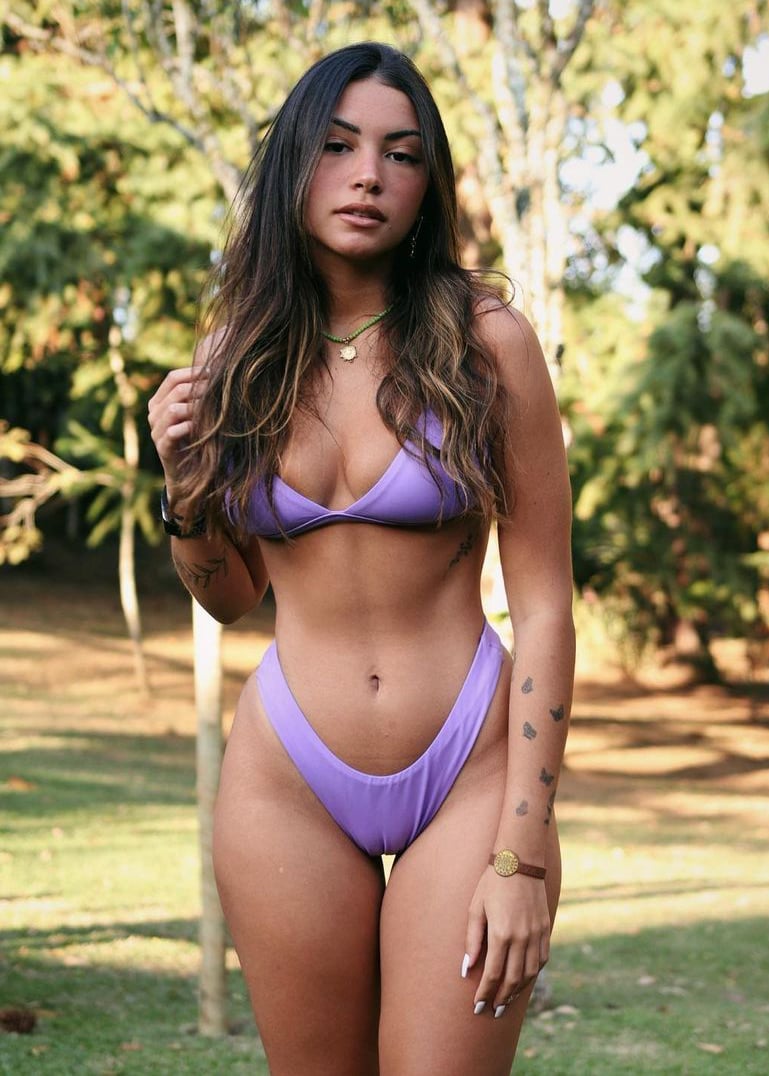

The controversy erupted when a video of Moura walking the runway circulated across social media platforms. In the clip, the Brazilian social media star confidently showcased a red-and-white look associated with Victoria’s Secret’s younger PINK collection. While many viewers praised her confidence, appearance, and runway presence, attention soon shifted to captions accompanying the video. Several posts described Moura as a “plus-size” Victoria’s Secret model, prompting immediate reactions from viewers who questioned whether the label accurately reflected her body type.


As the video accumulated millions of views, online comments revealed a deeply divided audience. Some users argued that Moura did not fit the traditional understanding of a plus-size model, pointing to her visibly slim waist and conventionally athletic physique. Others responded that the debate itself highlighted the fashion industry’s long-standing inconsistencies in defining body categories. According to many commenters, the issue was less about Moura personally and more about the confusing standards that brands and media outlets sometimes apply when discussing body diversity.

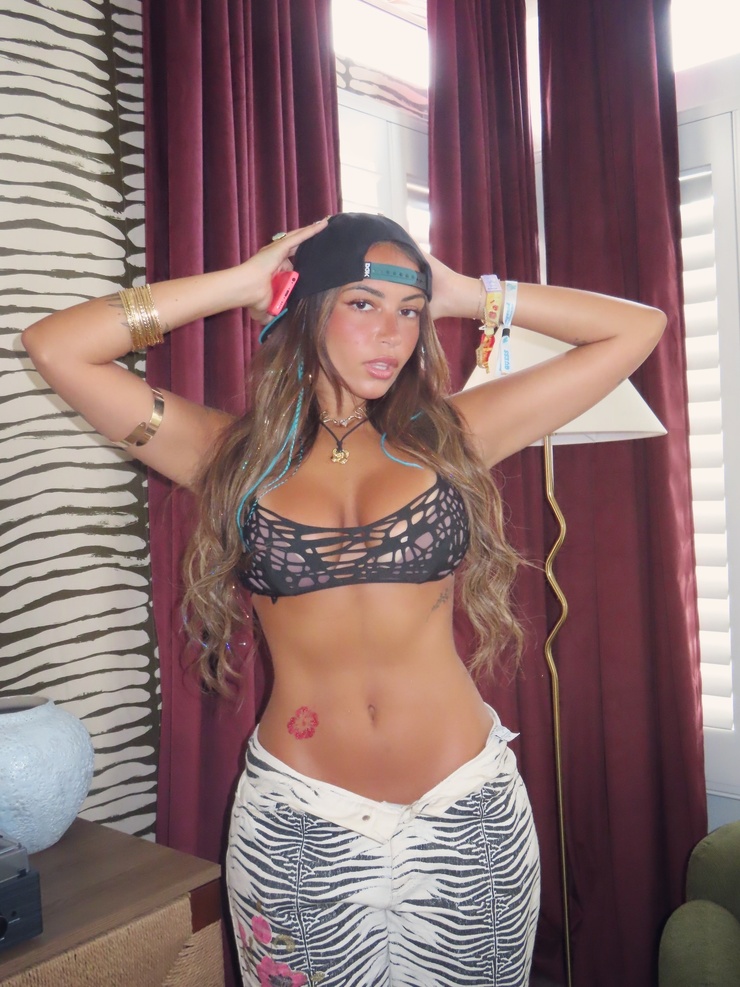

Moura, who has built a massive online following through lifestyle, fashion, and entertainment content, is no stranger to public attention. Over the past few years, she has become one of the most recognizable Brazilian influencers on social media, attracting millions of followers through her engaging personality and stylish content. Her growing influence has also opened doors in the fashion industry, where brands increasingly seek creators who already have established audiences and strong digital engagement.


The viral discussion surrounding her runway appearance reflects a broader shift taking place within fashion. For decades, Victoria’s Secret was frequently criticized for promoting a narrow and highly specific beauty standard. The company faced significant backlash in the late 2010s for its approach to body diversity and inclusivity. In response, the brand gradually expanded its representation efforts, featuring models from different backgrounds, body types, and personal identities.


Because of that history, every casting decision made by Victoria’s Secret tends to receive intense scrutiny. Supporters of the brand’s newer direction argue that greater representation should include a broader spectrum of body shapes rather than forcing people into rigid categories. Critics, however, contend that brands sometimes market diversity initiatives in ways that can appear inconsistent or confusing to consumers. Moura’s viral moment became the latest example of that ongoing tension.


Interestingly, much of the conversation focused less on Moura herself and more on the labels being used around her. Many fans emphasized that she should not be blamed for descriptions created by social media users, media outlets, or third-party accounts. Others argued that attaching a controversial label to a popular influencer may have contributed to the clip’s viral spread, generating engagement through debate rather than celebrating the runway appearance itself.


The incident also highlights how social media has transformed fashion conversations. In previous decades, discussions about model representation were largely confined to industry insiders, fashion magazines, and critics. Today, a single viral video can generate millions of opinions within hours. Platforms such as TikTok, Instagram, and X allow consumers to directly participate in conversations about beauty standards, often challenging narratives promoted by brands and media organizations.


For many observers, the debate underscores a larger question: who gets to define body categories in modern fashion? Traditional sizing systems vary widely between brands, countries, and retailers. What one company considers plus-size may differ significantly from another’s standards. This lack of consistency often creates confusion among consumers and contributes to debates like the one surrounding Moura’s runway appearance.
Despite the controversy, Moura’s visibility continues to grow. The viral attention has introduced her to audiences who may not have previously followed her content, while her supporters have praised the confidence and professionalism she displayed on the runway. Many fans argue that the discussion should focus on her achievements rather than reducing her to a debate over body labels.


Industry analysts note that fashion brands are increasingly navigating a complex environment where consumers demand both inclusivity and authenticity. Companies are expected to broaden representation while also communicating clearly about what their marketing messages mean. As a result, even seemingly straightforward runway appearances can become flashpoints for larger cultural conversations about identity, body image, and representation.
The reaction to Gabriela Moura’s Victoria’s Secret appearance demonstrates just how sensitive and influential these topics have become. What started as a fashion moment quickly evolved into a global discussion about beauty standards and the language used to describe them. Whether people agreed or disagreed with the “plus-size” label, the conversation revealed a growing public interest in how fashion brands represent real bodies and define inclusivity in the modern era.


As the debate continues online, one thing is clear: Gabriela Moura’s runway appearance has become much more than a viral clip. It has sparked a broader examination of fashion’s evolving standards and the challenges brands face as they attempt to balance representation, marketing, and public perception in an increasingly connected world.


