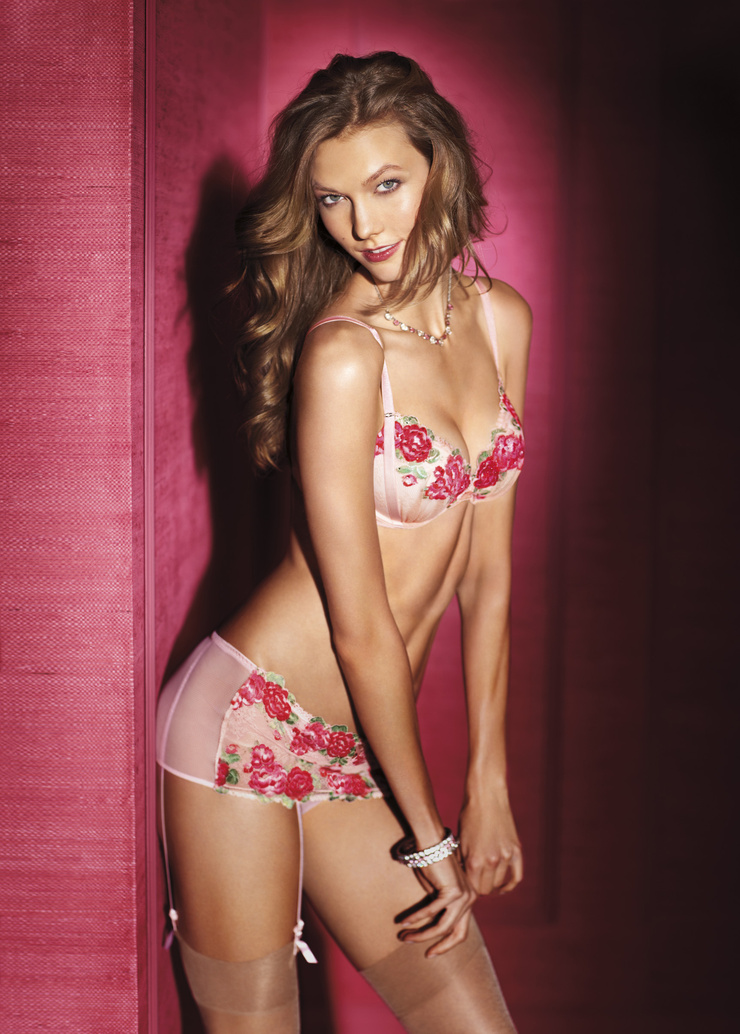
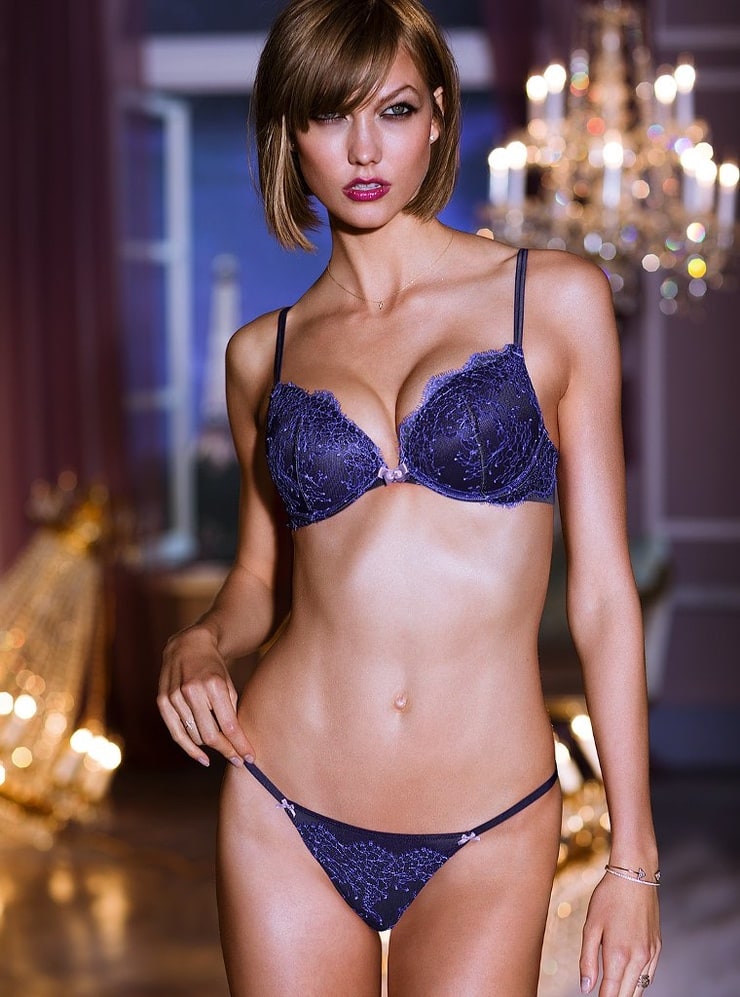
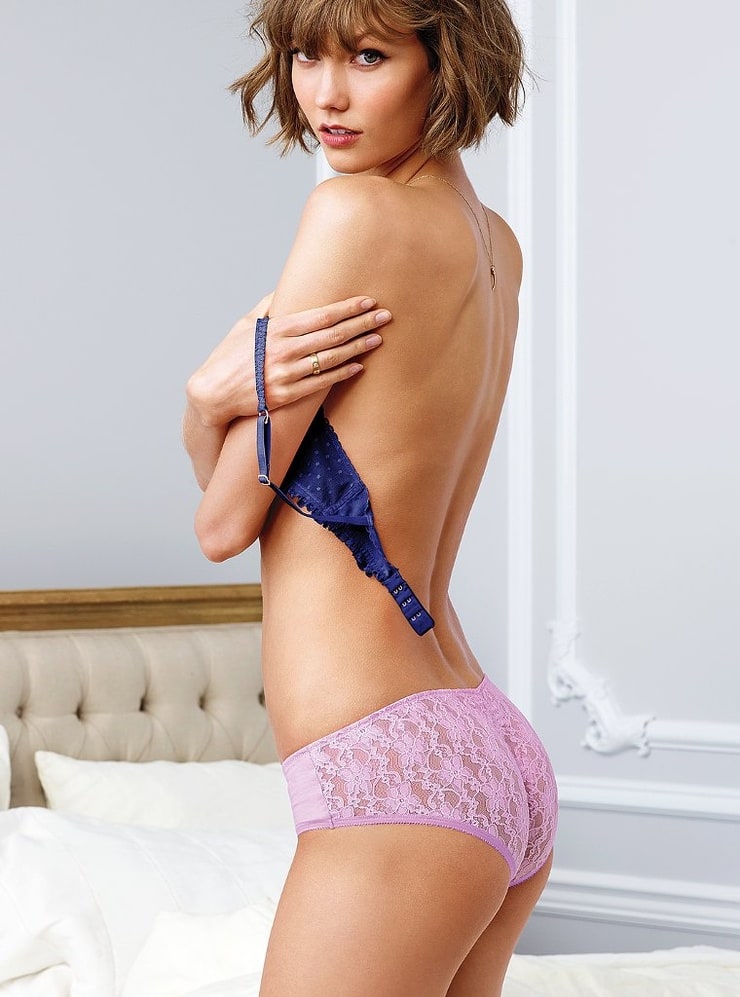
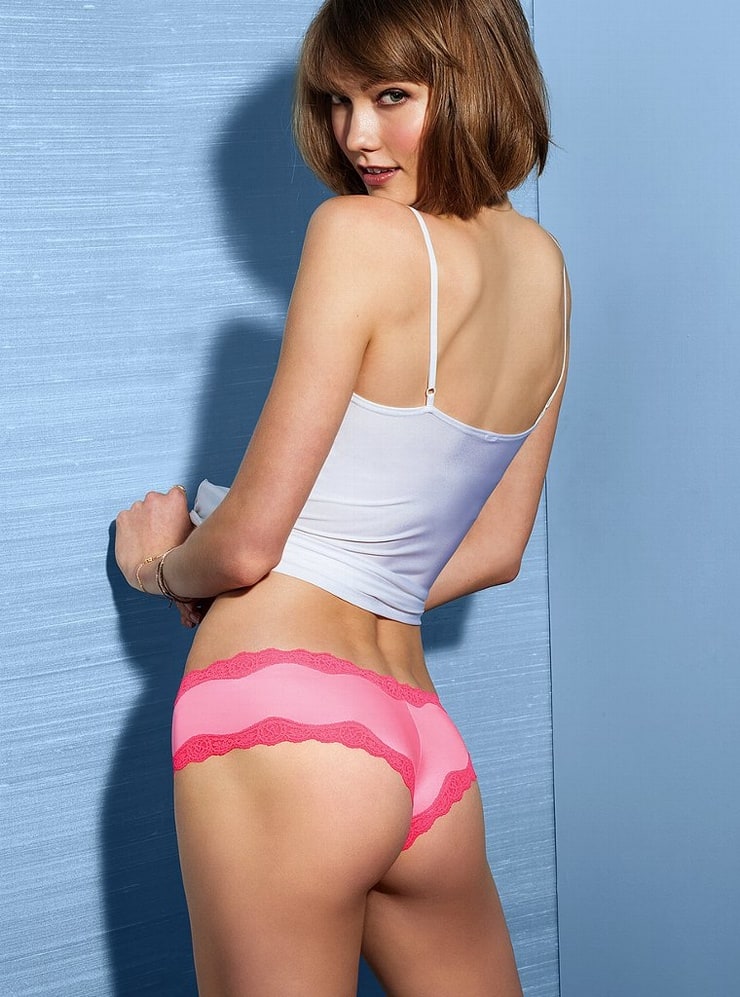
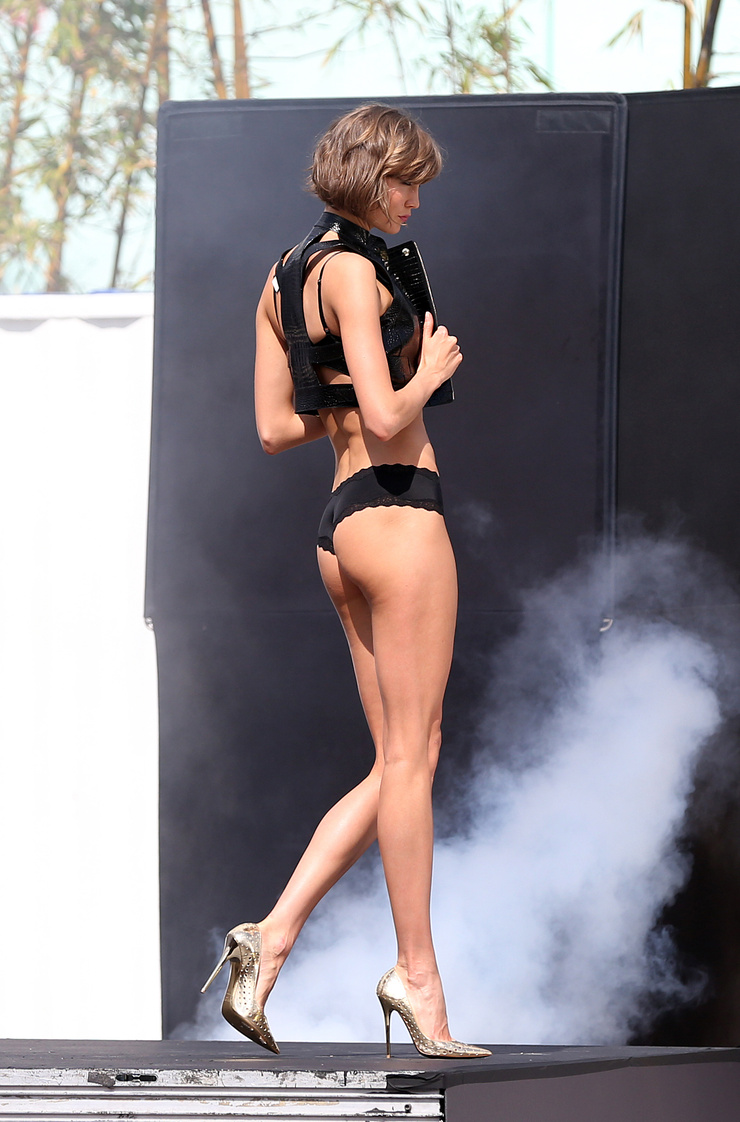
Karlie Kloss is once again at the center of online conversation after an unfiltered photo of the model began circulating, prompting renewed discussion about long-standing plastic surgery rumors. Known for her natural elegance and high-fashion career, Kloss has rarely been associated with dramatic changes in appearance, which is why the recent image has drawn such widespread attention.


The photo, described by many as candid and untouched, quickly became a talking point across social media platforms. In an era where images are often heavily edited and curated, unfiltered moments tend to stand out, especially when they involve high-profile figures. For some viewers, the image appeared to show subtle differences in her facial features, leading to speculation about whether cosmetic procedures may have played a role.


However, it is important to note that interpretations of such images can vary widely. Lighting, angles, camera quality, and even facial expressions can significantly alter how someone appears in a photograph. In many cases, what is perceived as a change may simply be the result of these factors rather than any underlying procedure. This highlights the complexity of drawing conclusions based solely on a single image.


Karlie Kloss has not publicly confirmed any cosmetic procedures, and speculation around her appearance remains just that—speculation. As with many public figures, her image is frequently analyzed and discussed, often leading to assumptions that may not reflect reality. The attention surrounding this particular photo underscores how quickly narratives can form in the digital age, especially when audiences are eager to interpret visual details.


The discussion also reflects broader societal attitudes toward beauty and aging. Public figures, particularly models, are often expected to maintain a consistent appearance, and any perceived change can become a topic of scrutiny. This creates an environment where even natural variations in appearance can lead to speculation, reinforcing unrealistic expectations.


At the same time, conversations about cosmetic procedures have become more open in recent years. Many celebrities have chosen to speak candidly about their experiences, contributing to a more transparent dialogue around beauty and self-image. However, not all public figures choose to share such details, and that decision should be respected.


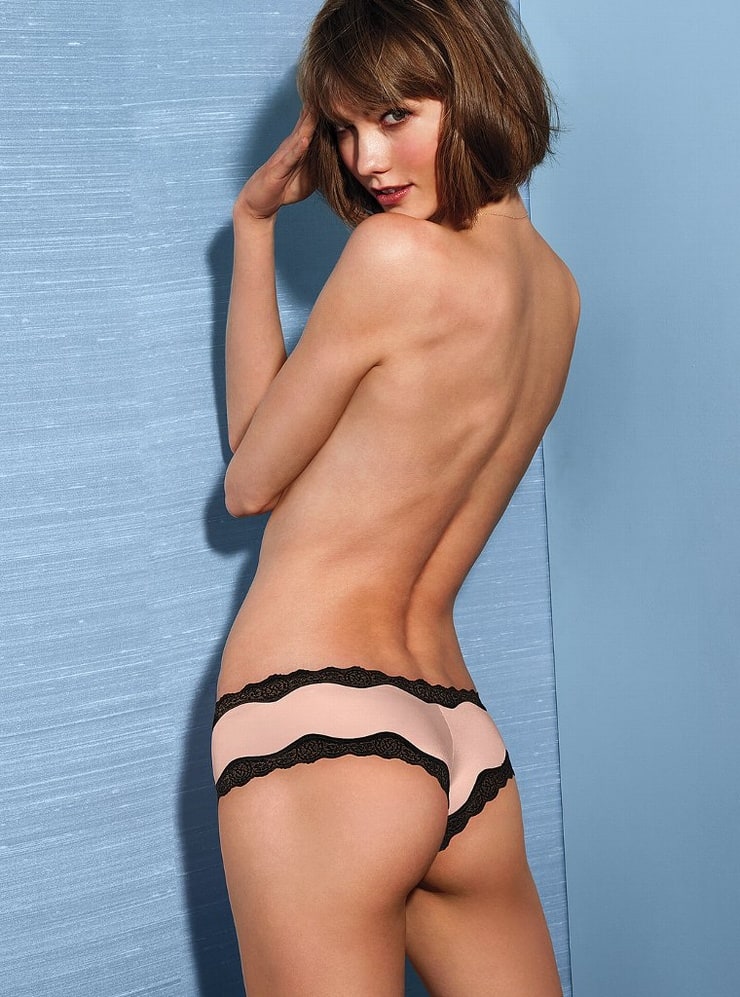
The reaction to Kloss’s photo has been mixed. Some fans have defended her, emphasizing that she has always maintained a natural look and that any perceived differences are likely due to normal changes over time. Others have continued to speculate, reflecting the ongoing fascination with celebrity appearances. This divide highlights how subjective and often polarized these discussions can be.

Karlie Kloss’s career has long been defined by her professionalism and versatility. From runway shows to major advertising campaigns, she has built a reputation as one of the leading figures in the fashion industry. Her success is rooted not only in her appearance but also in her work ethic and adaptability, qualities that have sustained her career over the years.



The focus on her appearance in this instance also raises questions about the role of social media in shaping public perception. Platforms that prioritize visual content can amplify scrutiny, turning minor details into major talking points. This environment can make it challenging for public figures to maintain privacy and control over their image.



Ultimately, the conversation surrounding Karlie Kloss and the unfiltered photo serves as a reminder of the complexities of modern celebrity culture. While curiosity about public figures is natural, it is important to approach such discussions with a sense of perspective and awareness of the limitations of visual interpretation.


Whether or not the rumors hold any truth remains unconfirmed, but the broader takeaway is clear: appearances can be misleading, and speculation often says more about societal expectations than it does about the individual in question.