For more than a decade, Shailene Woodley has built a career defined by bold choices, emotionally complex characters, and a willingness to step outside Hollywood conventions. From her breakthrough role in The Descendants to leading blockbuster franchises like Divergent and earning critical acclaim for projects such as Big Little Lies, Woodley has consistently demonstrated remarkable range as a performer. Yet despite an impressive résumé filled with acclaimed work, the actress recently revealed that her role in Hulu’s hit drama Paradise stands among the most meaningful experiences of her career.


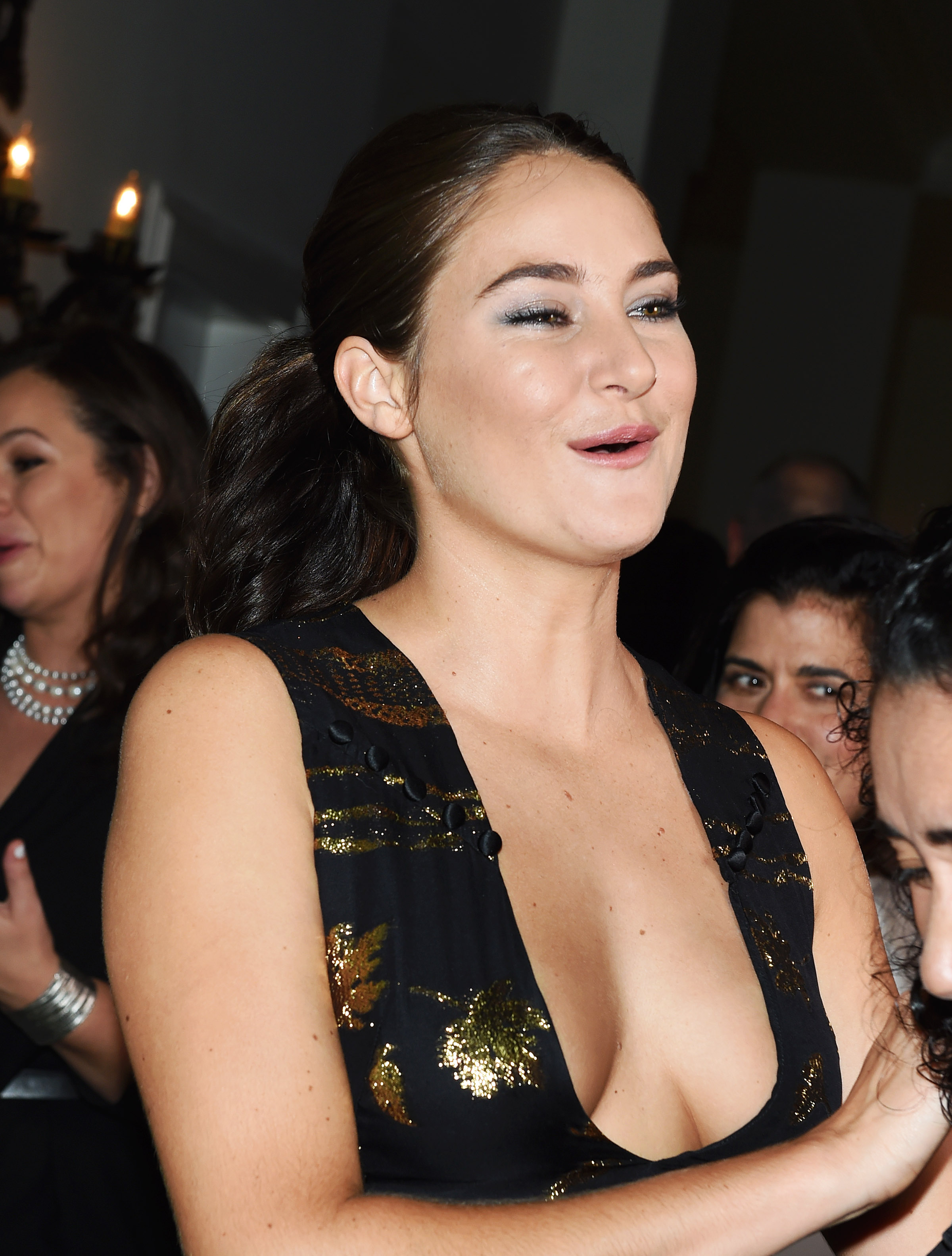
That statement carries significant weight coming from an actress whose filmography already includes some of the most talked-about projects of the past fifteen years. But according to Woodley, Paradise offered something uniquely rewarding—both creatively and personally.


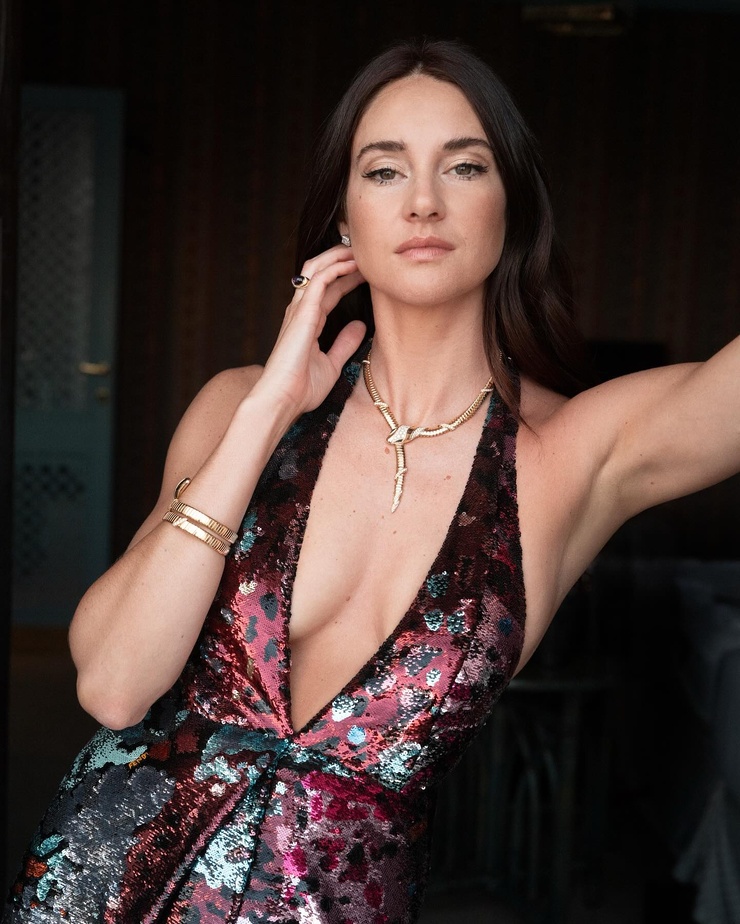
Since its debut, Paradise has emerged as one of Hulu’s most compelling original dramas. Combining mystery, political intrigue, emotional storytelling, and unexpected twists, the series quickly attracted attention from viewers and critics alike. The show’s ability to blend suspense with deeply human character development has helped distinguish it in an increasingly crowded streaming landscape.



For Woodley, joining the project represented an opportunity to explore a character unlike any she had previously portrayed.
Throughout her career, she has often gravitated toward roles that challenge conventional expectations. Whether playing determined young women navigating personal crises or characters confronting larger societal issues, Woodley has consistently sought projects with emotional depth. Paradise provided exactly that kind of creative challenge.



In interviews discussing the series, Woodley has described the role as one of the most fulfilling of her professional life. Part of that fulfillment comes from the complexity of the storytelling itself. Unlike traditional television dramas that follow predictable formulas, Paradise continually shifts audience expectations, forcing viewers to reevaluate characters and motivations as the story unfolds.
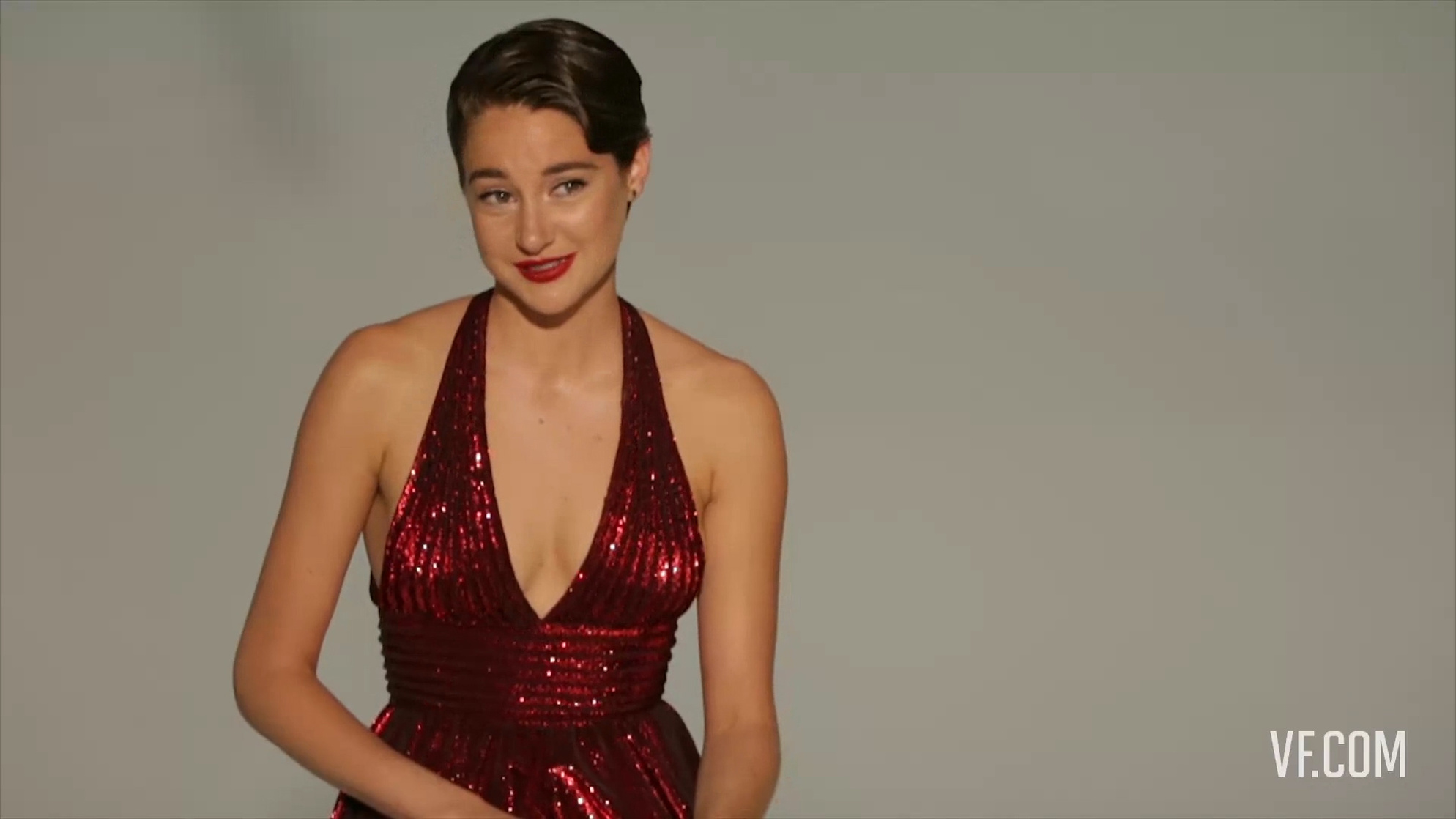


This layered narrative structure gave Woodley the opportunity to explore multiple dimensions of her character, moving beyond simple archetypes and embracing emotional nuance. For an actress known for her commitment to authenticity, that depth was particularly appealing.



Another reason the project stands out for Woodley is the collaborative environment behind the scenes. Successful television often depends on strong chemistry not only among cast members but also between actors, writers, directors, and producers. Woodley has spoken positively about the creative team’s shared commitment to storytelling and the trust that existed throughout production.



That sense of collaboration helped create an atmosphere where actors could take risks, explore emotional complexity, and contribute meaningfully to character development.



The experience also arrived at an interesting stage in Woodley’s career.
Unlike many performers who move directly from one high-profile project to another, Woodley has occasionally stepped back from Hollywood’s relentless pace. She has openly discussed the importance of living intentionally, prioritizing personal growth, and choosing projects that genuinely resonate with her values.



As a result, every role she accepts carries additional significance.
Rather than viewing acting purely as a career, Woodley often approaches it as an opportunity for exploration and connection. This perspective helps explain why Paradise resonates so strongly with her. The show offered more than visibility or commercial success—it provided meaningful creative engagement.



Audiences have responded enthusiastically as well.
One of the reasons Paradise has generated such strong reactions is its ability to balance large-scale dramatic stakes with intimate human moments. While the series contains mystery and suspense, its emotional core remains rooted in relationships, vulnerability, and personal transformation. Woodley’s performance plays a crucial role in maintaining that balance.
Critics have praised her ability to bring emotional authenticity to scenes that might otherwise feel overwhelmed by plot mechanics. Her presence grounds the story, making even the most surprising twists feel emotionally credible.



This skill has long been one of Woodley’s defining strengths.
Throughout her career, she has demonstrated an ability to make audiences care deeply about characters navigating extraordinary circumstances. Whether in independent dramas or major studio productions, her performances consistently emphasize emotional truth over spectacle.
That commitment is especially important in modern streaming television, where viewers increasingly expect sophisticated character work alongside compelling plots. Paradise succeeds in part because it delivers both.
Beyond the creative aspects, Woodley’s comments about the series reflect a broader evolution in her relationship with acting.


In recent years, she has spoken candidly about the challenges of fame, public scrutiny, and balancing professional success with personal well-being. Unlike many stars who define achievement solely through awards or box-office numbers, Woodley often measures success through fulfillment and artistic growth.
By that standard, Paradise appears to have been particularly meaningful.
The role allowed her to reconnect with the aspects of acting she finds most rewarding: collaboration, emotional exploration, and meaningful storytelling. Those experiences can sometimes be difficult to find in an industry increasingly focused on franchises, algorithms, and commercial metrics.
For fans, Woodley’s enthusiasm for the show is encouraging because it suggests that her performance comes from a place of genuine investment rather than routine professionalism. Audiences often sense when actors feel deeply connected to their work, and that authenticity tends to translate on screen.


The success of Paradise also reinforces Woodley’s enduring relevance within the entertainment industry.
Hollywood careers are notoriously unpredictable, especially for performers who achieve fame at a young age. Yet Woodley has repeatedly demonstrated an ability to evolve, adapt, and remain creatively vibrant across different stages of her career. Her willingness to embrace challenging roles rather than chasing predictable opportunities has helped maintain both critical respect and audience interest.
As streaming platforms continue reshaping television, projects like Paradise represent the kind of sophisticated storytelling increasingly attracting top-tier talent. The boundaries between film and television have largely disappeared, allowing actors greater freedom to pursue complex characters and long-form narratives.
Woodley’s experience on the series highlights the creative possibilities that this new landscape offers.
Ultimately, her description of Paradise as a career highlight speaks volumes about the impact the project has had on her. After years of acclaimed performances, major franchises, and award-winning productions, it takes something truly special to stand out.
For Shailene Woodley, Paradise appears to be exactly that.
It is a project that challenged her creatively, connected her with talented collaborators, and reminded her why she fell in love with acting in the first place. And for viewers, that passion is visible in every scene.
As the series continues to build momentum and attract new audiences, one thing is clear: Paradise is not only a significant chapter in Shailene Woodley’s career—it may ultimately become one of the defining performances of it.