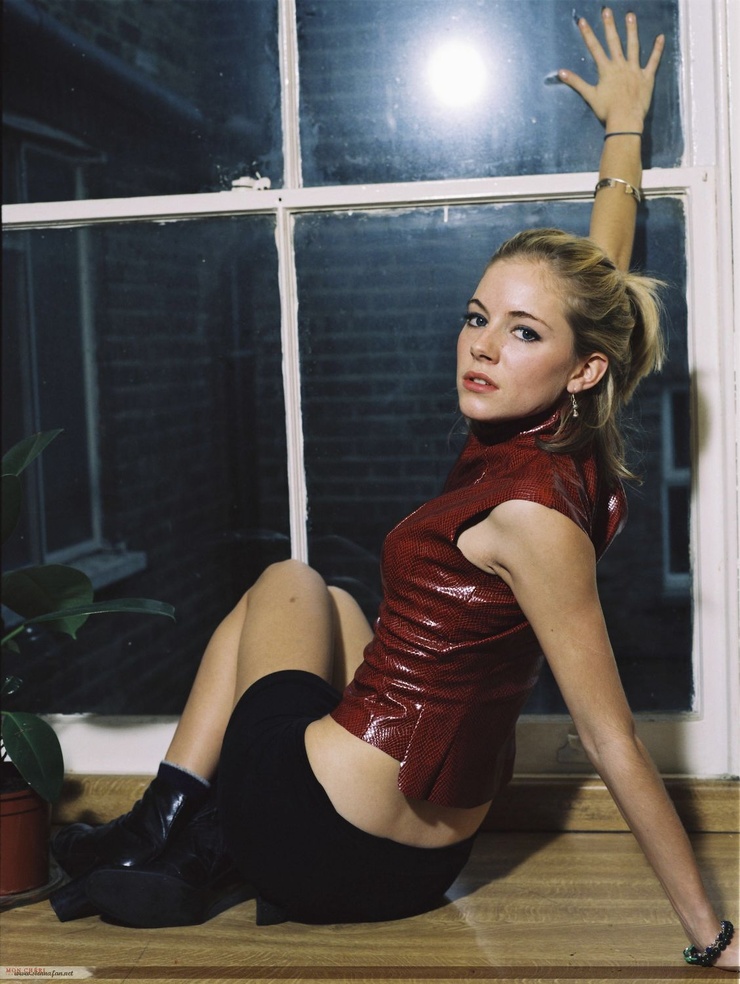
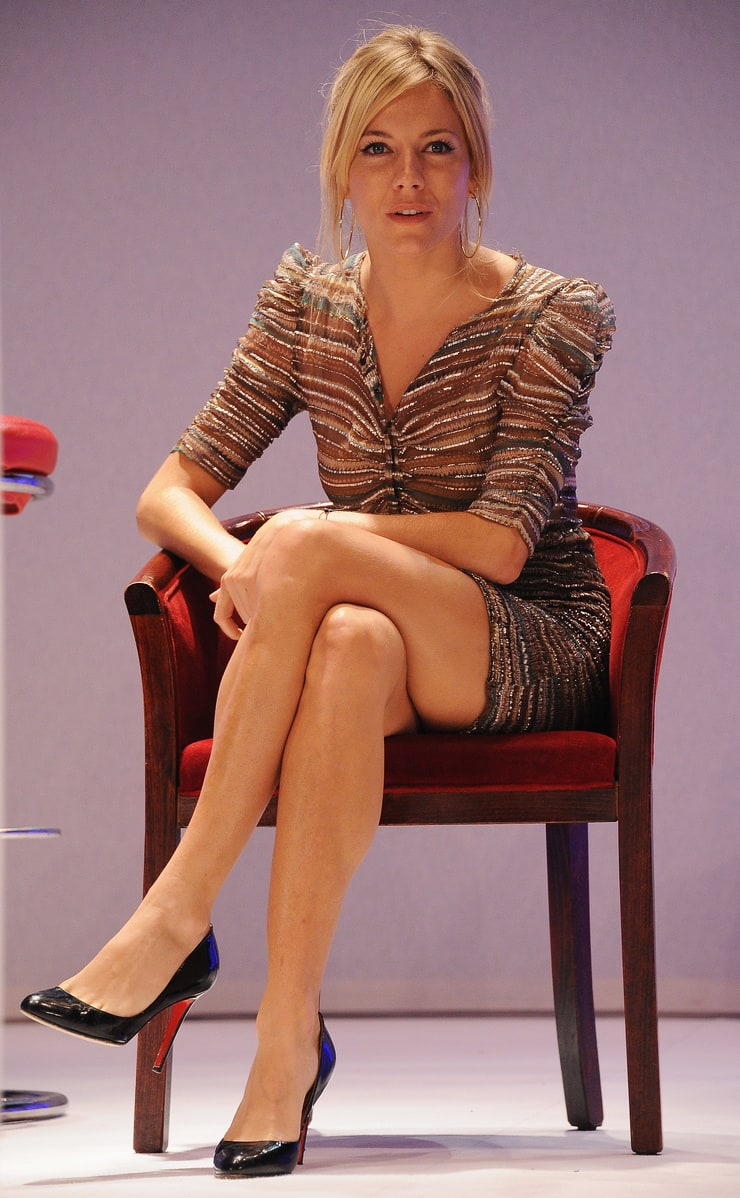
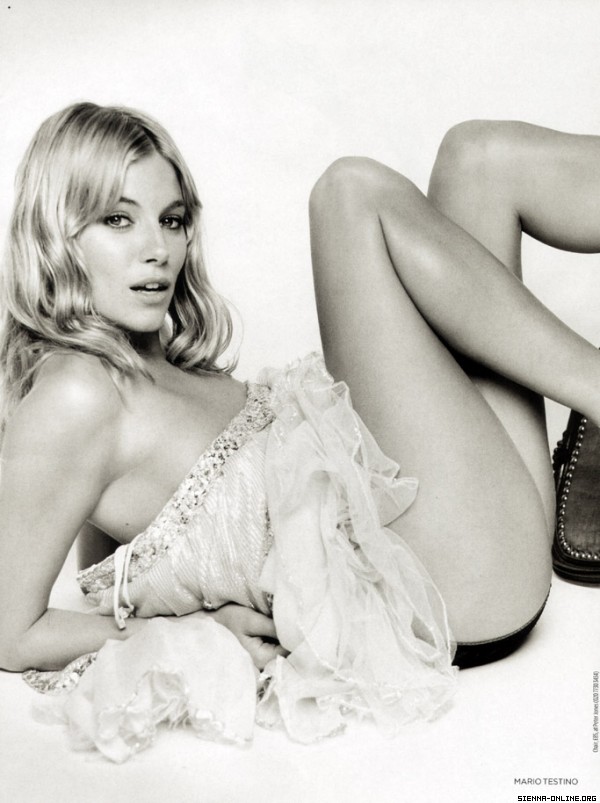
Sienna Miller is pushing back against one of the most persistent narratives in modern culture—the idea that aging, especially for women, should be framed as something negative. With her signature mix of candor and confidence, Miller is encouraging people to rethink how they talk about age and to drop the self-deprecating “I’m so old” mindset altogether.


For Miller, the issue isn’t just about language—it’s about perception. She has pointed out that casually calling oneself “old” reinforces a harmful belief system, one that equates aging with decline rather than growth. In an industry that has historically placed immense pressure on youth, particularly for women, her perspective challenges long-standing norms and expectations.

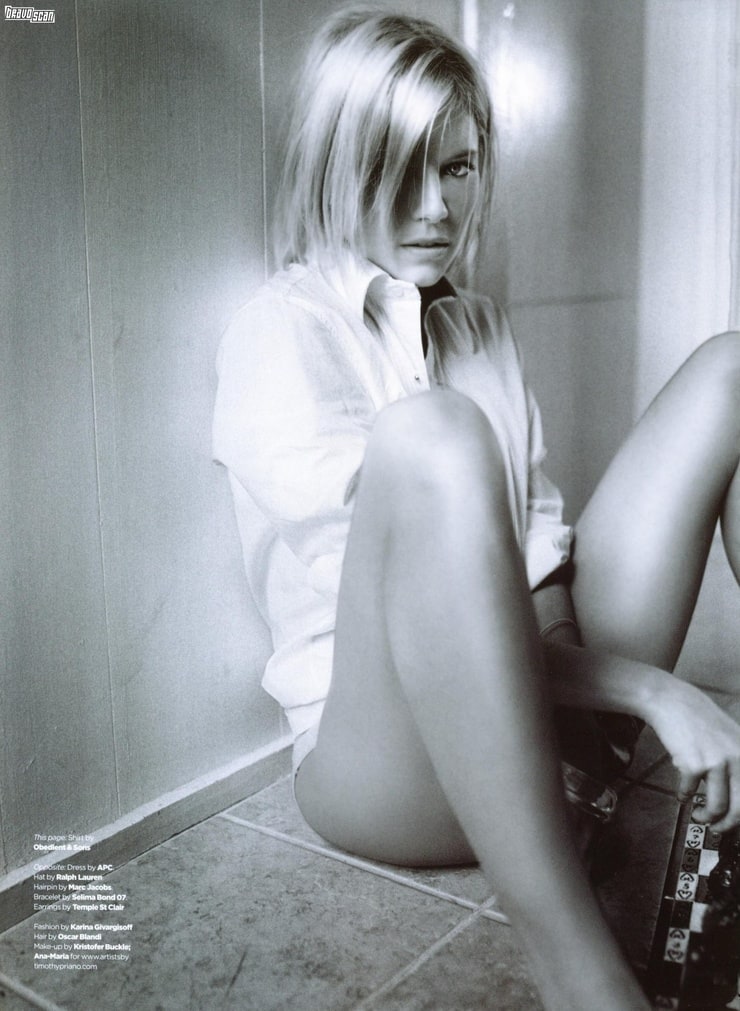
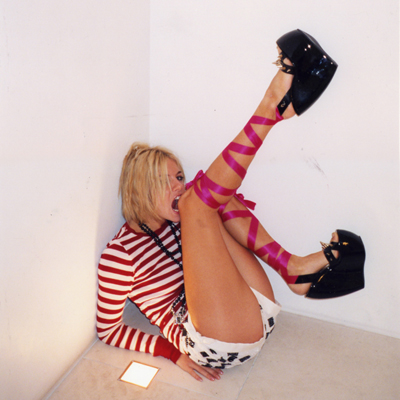
Rather than viewing age as something to resist, Miller embraces it as a natural and even empowering part of life. She has spoken about feeling more secure, self-aware, and grounded as she has gotten older. This shift in perspective highlights a broader truth: with age often comes clarity, confidence, and a stronger sense of identity—qualities that are rarely acknowledged in conversations focused solely on youth.


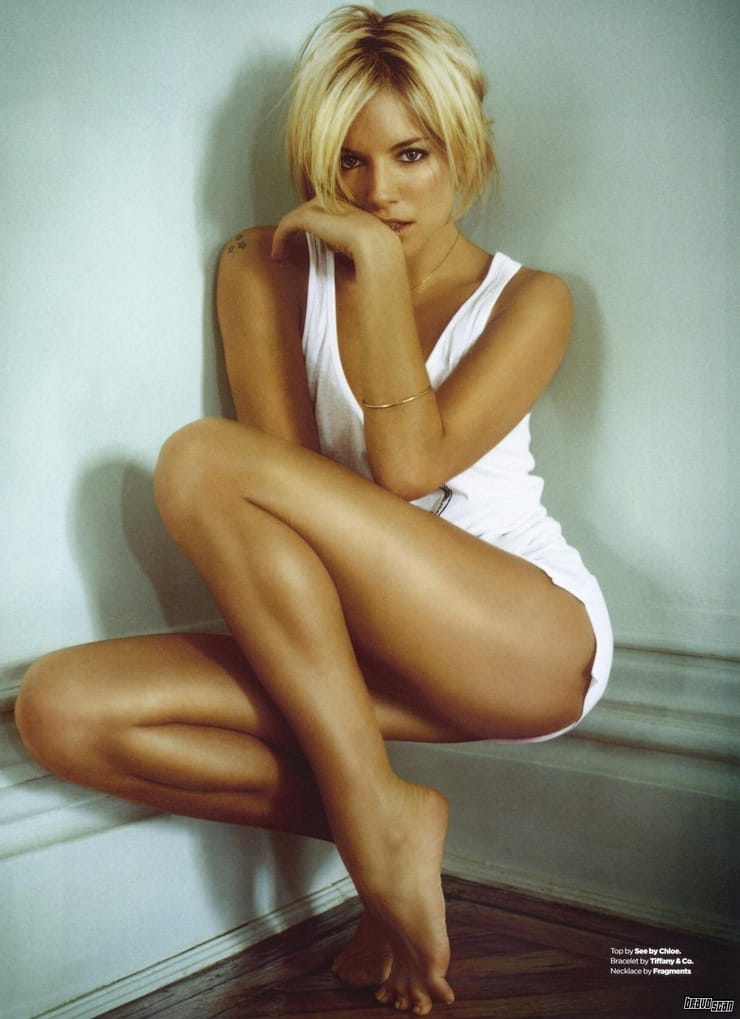
Her message also reflects a cultural turning point. In recent years, there has been a growing push to redefine beauty and success beyond traditional age limits. More women in film, fashion, and media are continuing to thrive well into their 40s, 50s, and beyond, challenging outdated ideas about relevance and visibility. Miller’s stance aligns with this movement, reinforcing the idea that age should not dictate opportunity or self-worth.

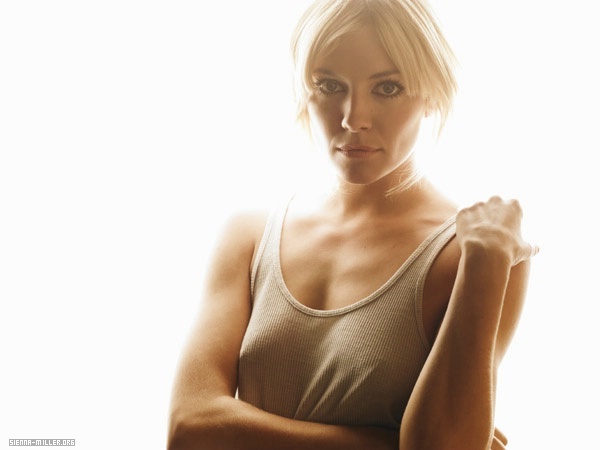
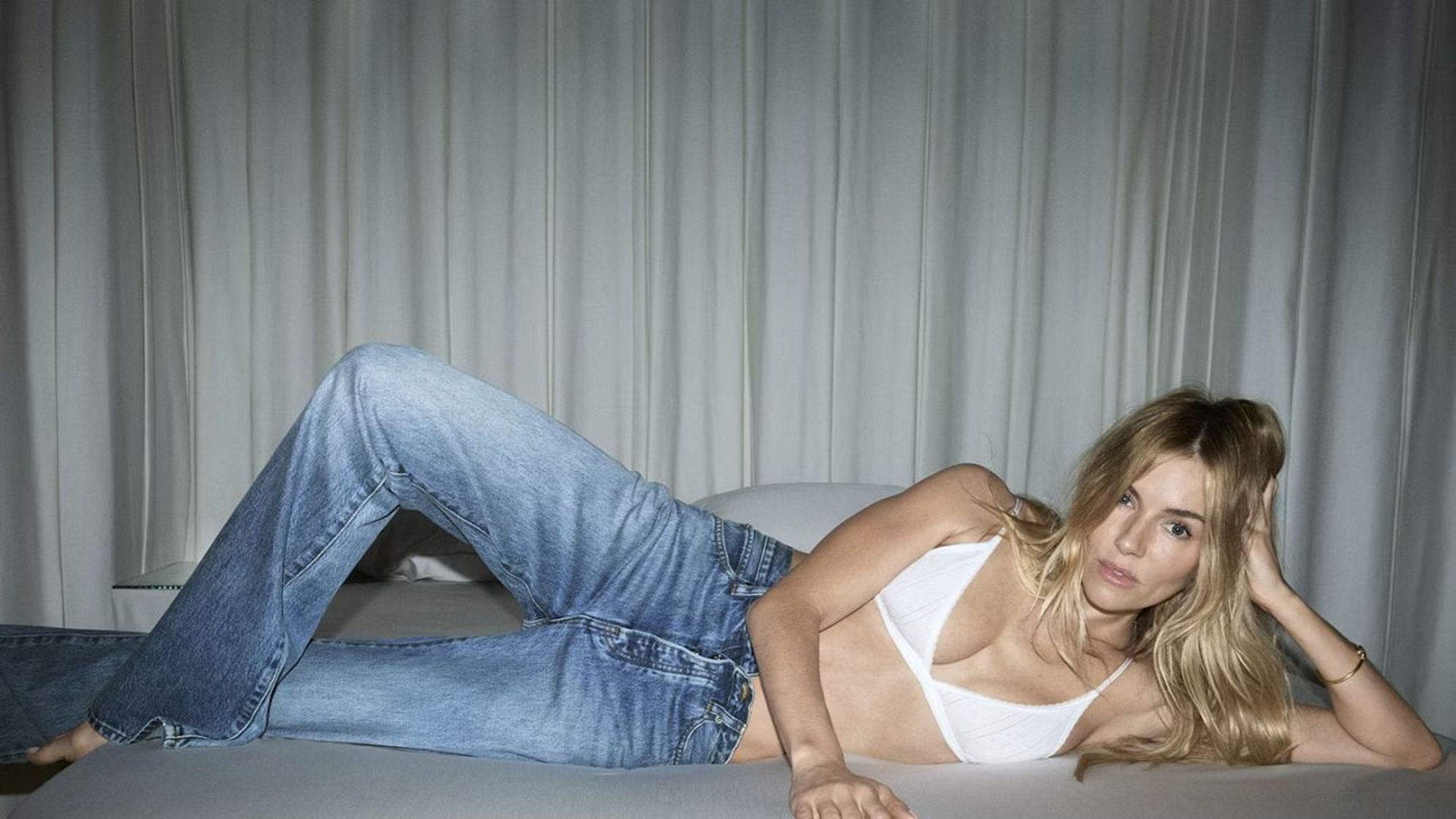
At the same time, she is calling out how normalized negative self-talk has become. Phrases like “I’m so old” are often used casually, even humorously, but they can shape how people feel about themselves over time. By rejecting this language, Miller is advocating for a more positive and realistic approach—one that acknowledges aging without attaching unnecessary negativity to it.


Her own career serves as an example of this mindset in action. Miller continues to take on diverse roles and remain active in the industry, proving that talent and relevance are not tied to age. Instead of slowing down, she appears to be evolving, choosing projects that reflect her growth and experience.


Beyond her professional life, her outlook resonates on a personal level as well. She encourages people to focus on how they feel rather than how they are perceived, shifting the emphasis from external judgment to internal well-being. This approach not only challenges societal norms but also promotes a healthier relationship with oneself.


Miller’s comments also highlight the double standards that still exist around aging. While men in entertainment are often allowed to age without scrutiny, women frequently face pressure to maintain a youthful appearance. By speaking out, she is contributing to a broader conversation about equality and representation.


Her perspective is ultimately about reframing the narrative. Instead of seeing aging as something to fear or apologize for, she suggests viewing it as a privilege—an opportunity to grow, learn, and continue evolving. This shift in thinking can have a powerful impact, not just on individuals but on how society as a whole approaches the concept of age.


In a culture that often celebrates youth above all else, Sienna Miller’s message stands out for its honesty and empowerment. By challenging the “I’m so old” narrative, she is encouraging a more balanced and positive outlook—one that recognizes that getting older is not a limitation, but a natural and valuable part of life.
Ultimately, her call is simple but impactful: change the way you talk about age, and you may just change the way you experience it.